2026 Golden Pin Design Awards Reveal Best Design of the Year Winners
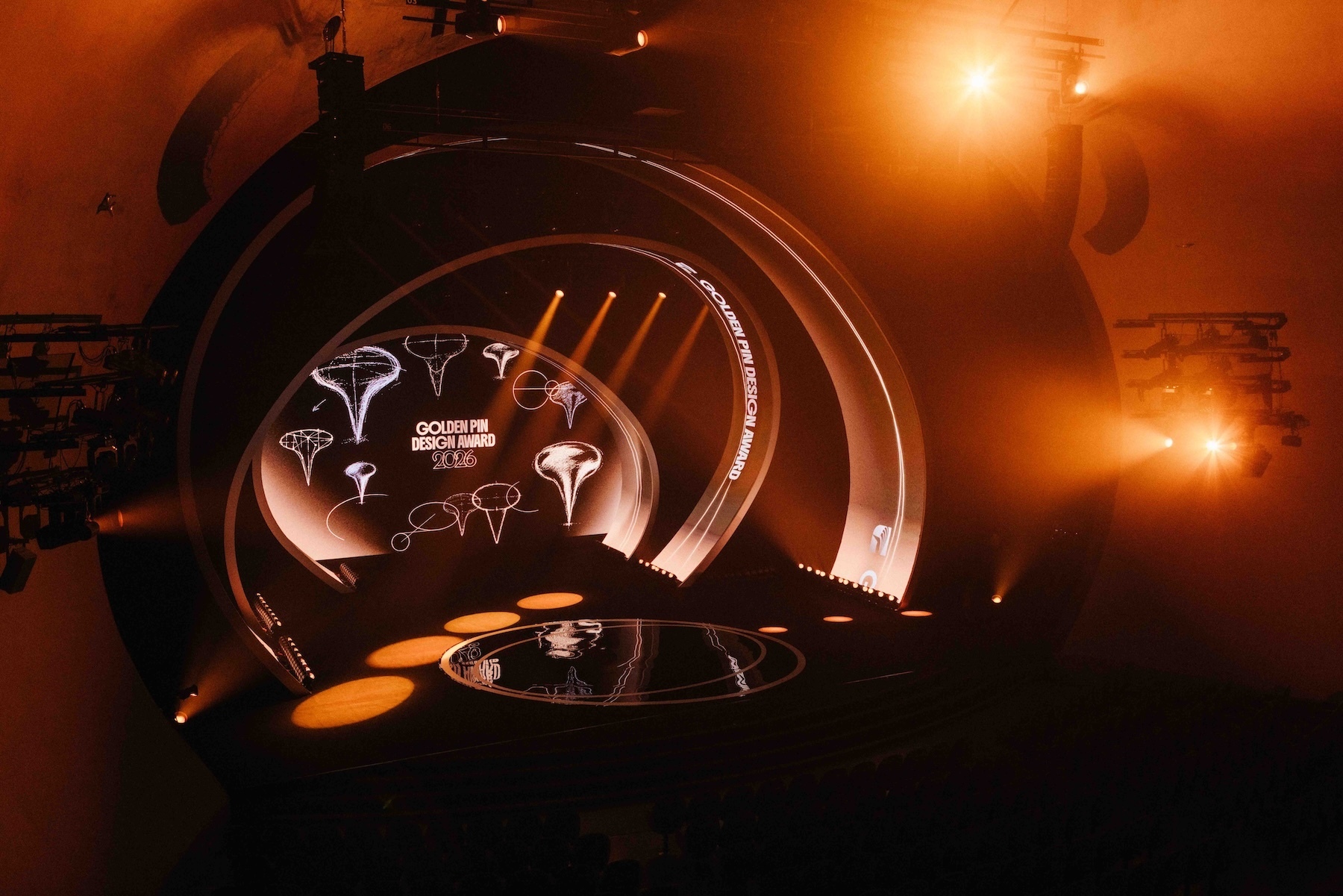
The 2026 Golden Pin Design Award Ceremony took place on Thursday evening, November 26, at the Taipei Performing Arts Center, officially revealing the highly anticipated winners of this year’s top honors.
The Golden Pin Design Award and Golden Pin Concept Design Award attracted entries from 26 countries and regions worldwide. A total of 24 works received the Golden Pin Design Award’s Best Design Award, two received the Special Award, and three were honored with the Golden Pin Concept Design Award’s Best Concept Design Award. The Honorary Award was presented to Taiwanese landscape architect Chung-twn Kuo, recognizing her nearly four decades of contributions to public landscape design in Taiwan.
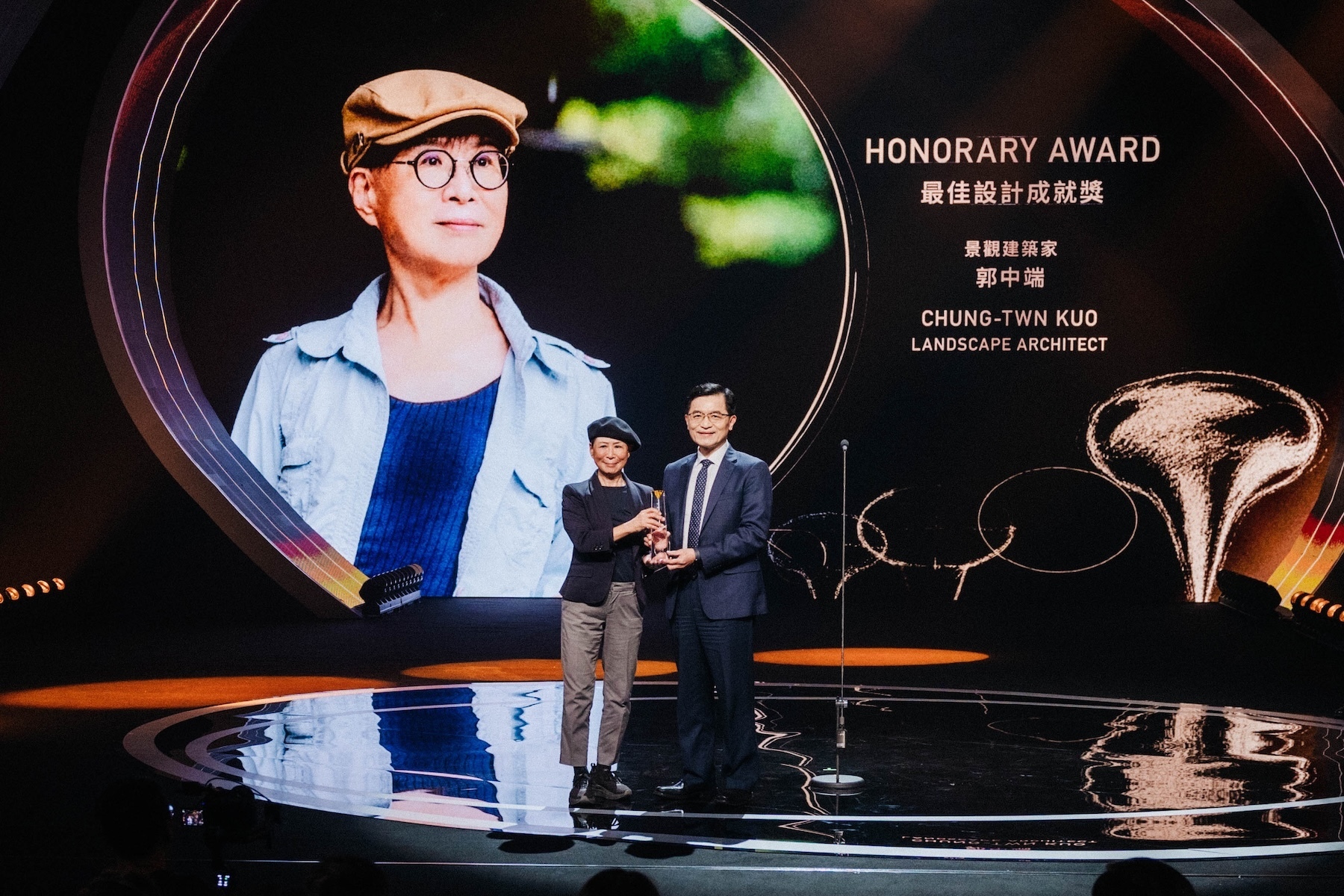 MOEA Deputy Minister Chin-tsang Ho presents the Honorary Award to Chung-twn Kuo.
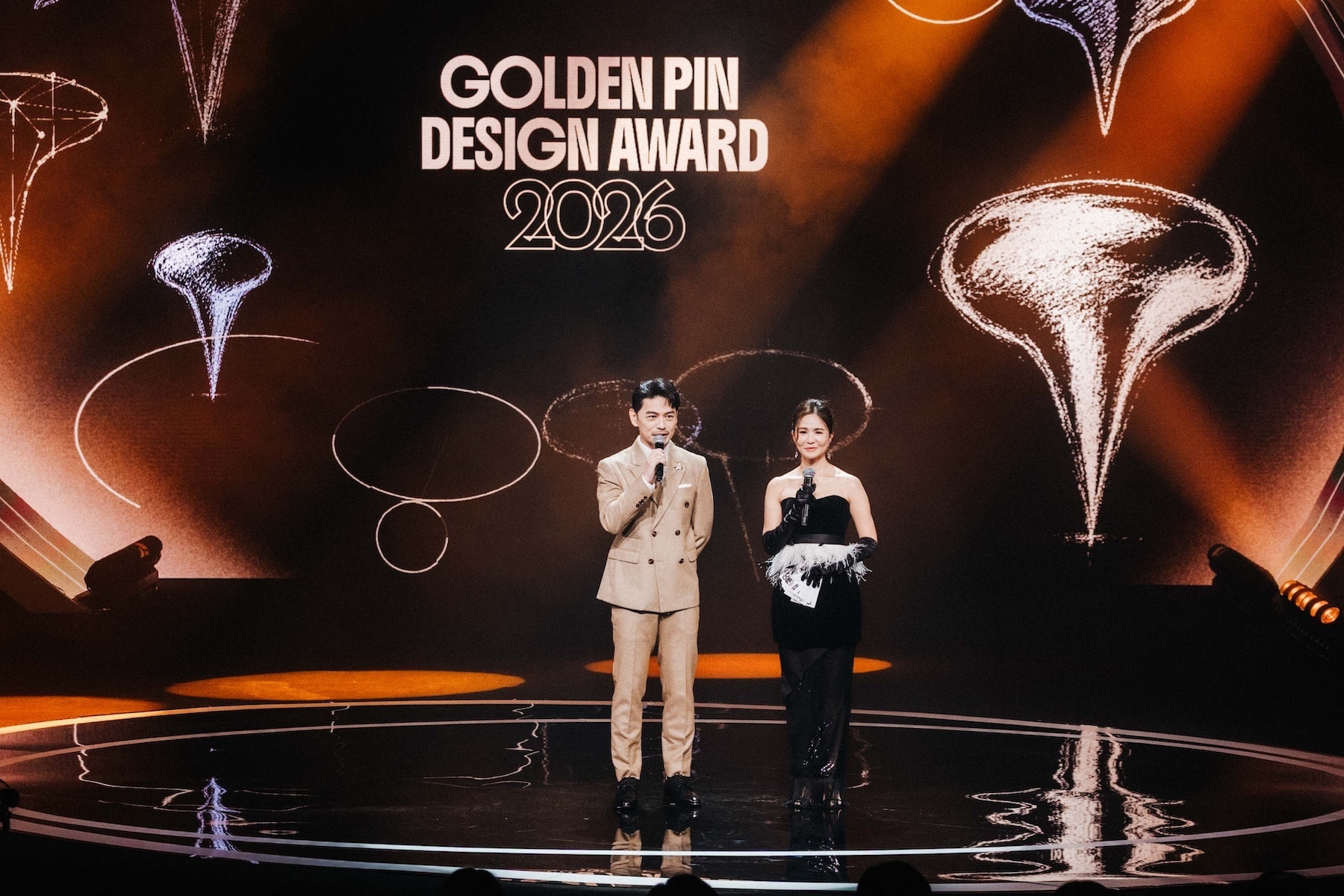 Popular Taiwanese entertainers Ken Lin (A-Ken) and Patty Wu return to co-host the ceremony, bringing lively energy and seamless chemistry to the stage.
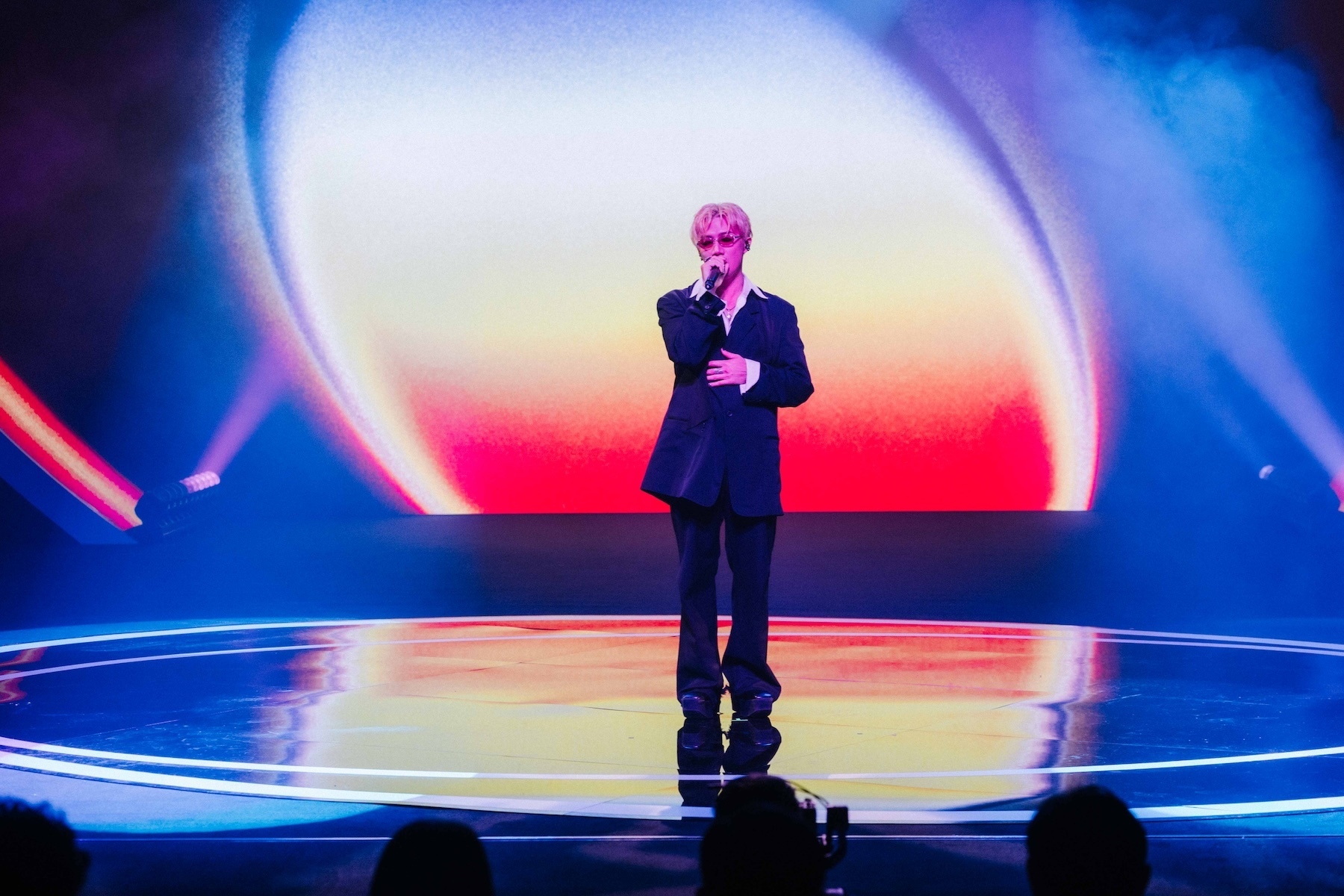 Renowned Taiwanese singer ØZI performs at the opening of the award ceremony.
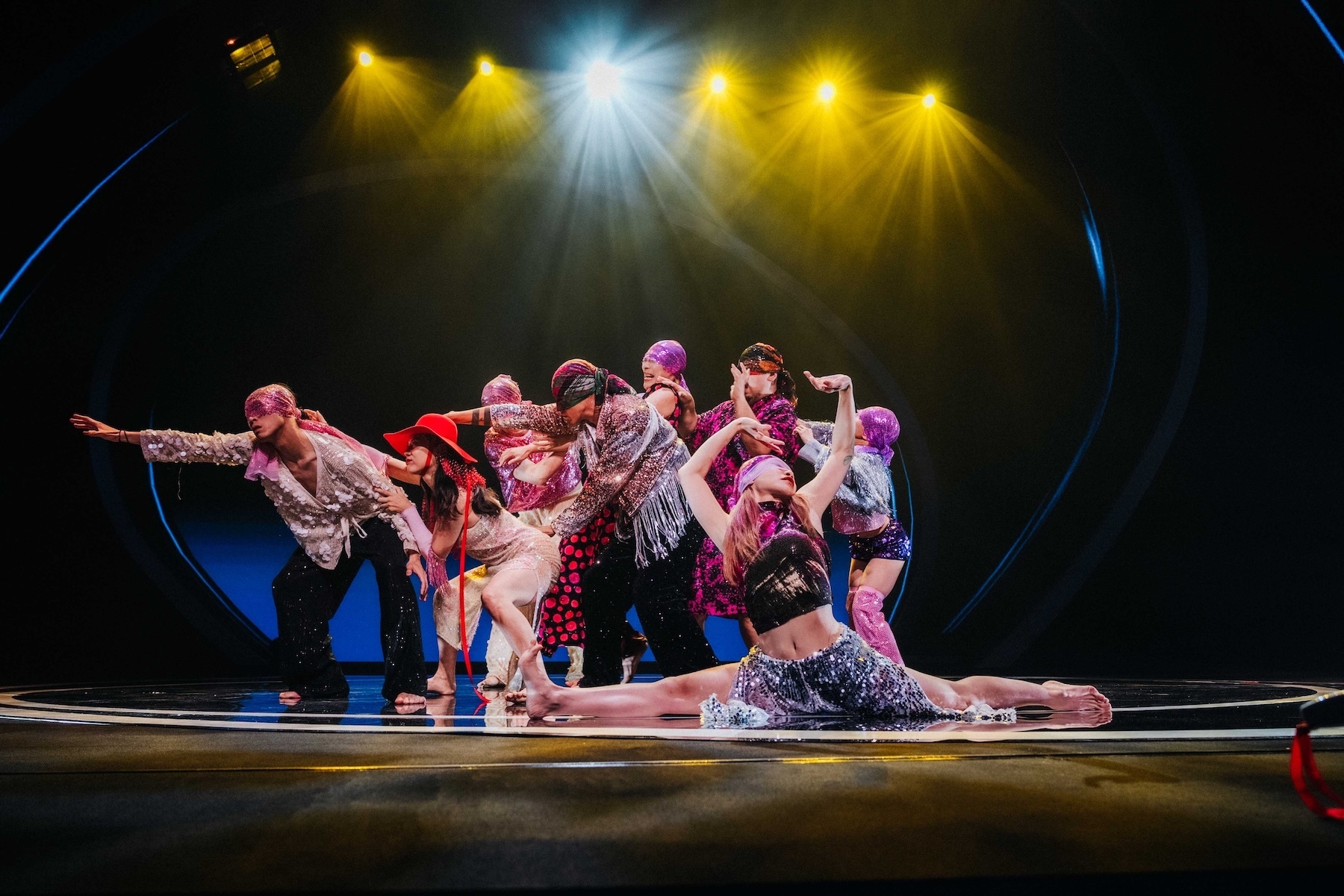 Taiwan’s dance troupe Les Petites Choses Production enlivens the award ceremony with a dynamic, expressive performance.
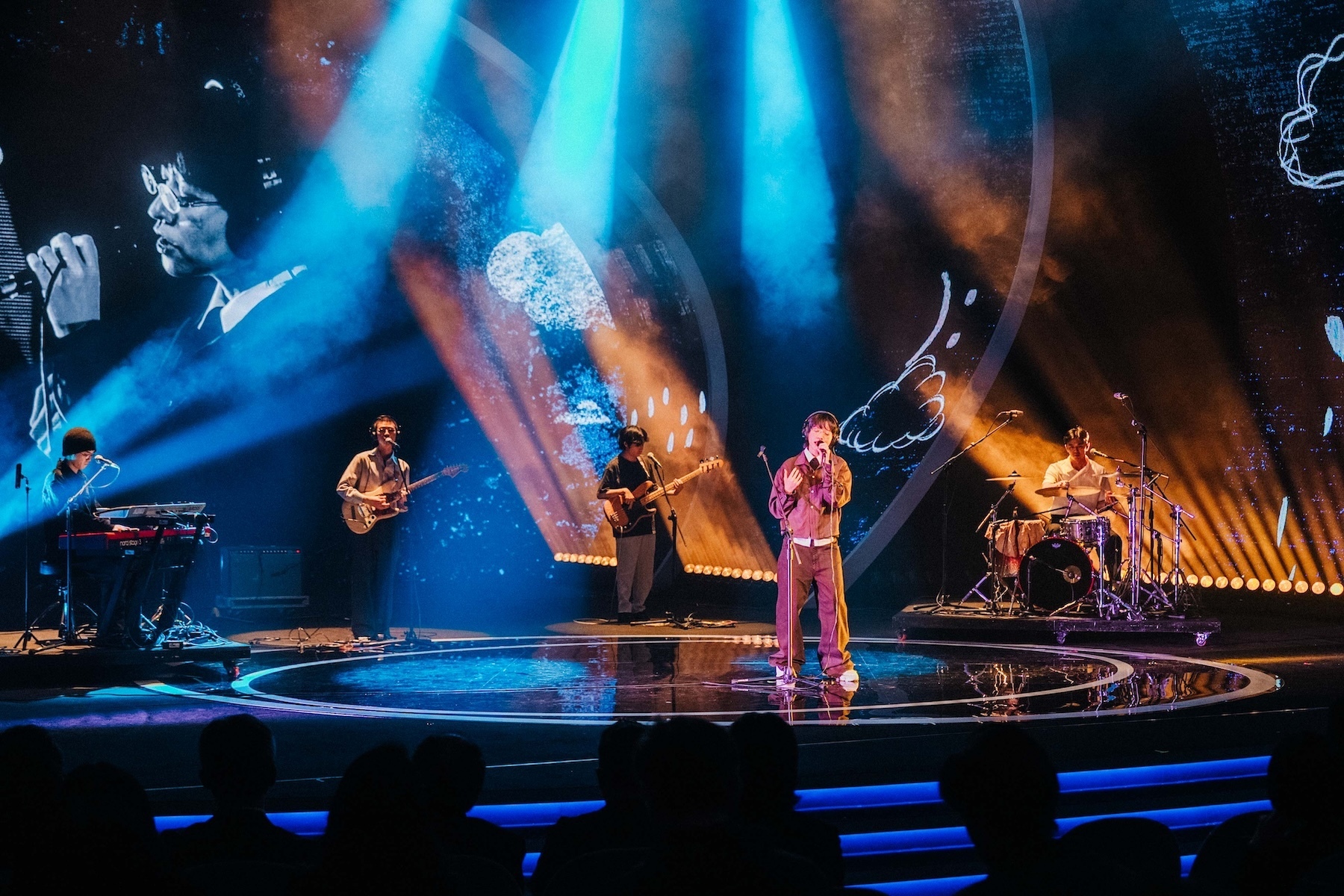 This year’s Golden Melody Best New Artist winner Hsien Ching brings her signature, laid-back style to the ceremony with a live performance.
2026 Golden Pin Design Award: Addressing Contemporary Challenges Through Systems Thinking, Sustainability, Circularity, and Human-Centered Design
This year, a total of 474 entries across the Golden Pin Design Award's four categories—Product Design, Communication Design, Spatial Design, and Integration Design—received the Golden Pin Design Mark. Of these, 105 works were shortlisted for the Best Design Award, with 24 outstanding designs from Taiwan, China, Hong Kong, Japan, Thailand, and Türkiye ultimately receiving the competition's highest honor.
-
Product Design Category
The Product Design category showcased diverse achievements across technological innovation, everyday products, and material applications. “ROG Zephyrus DUO (2026)” (ASUSTek Computer Inc., Taiwan), a gaming laptop featuring dual 16-inch 3K OLED touchscreens, overcomes conventional limitations in thermal management and antenna design. With a detachable wireless keyboard and five versatile usage modes, it brings desktop-grade multitasking performance to the mobile device, demonstrating exceptional design excellence.
Two other winners stood out for their flexible modular designs: “KENLUCK GOLUCK MELLO Folding E-Bike” (KENLUCK DEVELOPMENT CORPORATION, Taiwan) and “KengaRu™ Seat” (Bombol Limited, Hong Kong), addressing the micro-mobility and home furnishing needs of modern families, respectively.
Exploring new possibilities in everyday aesthetics, “HALO” (PRO-IRODA INDUSTRIES, INC., Taiwan) combines a sculptural form with biofuel technology, reimagining the functionality and sensory experience of home fireplaces. Meanwhile, the OLED table lamp “Olbia” (Ostuni, China) integrates minimalist aesthetics with optical innovation. “Rice Straw Concrete Blocks” (mflex factory Co., Ltd., Thailand) combines thermal insulation, lightweight construction, and distinctive textures, earning top honors for pioneering a new approach to repurposing agricultural waste.
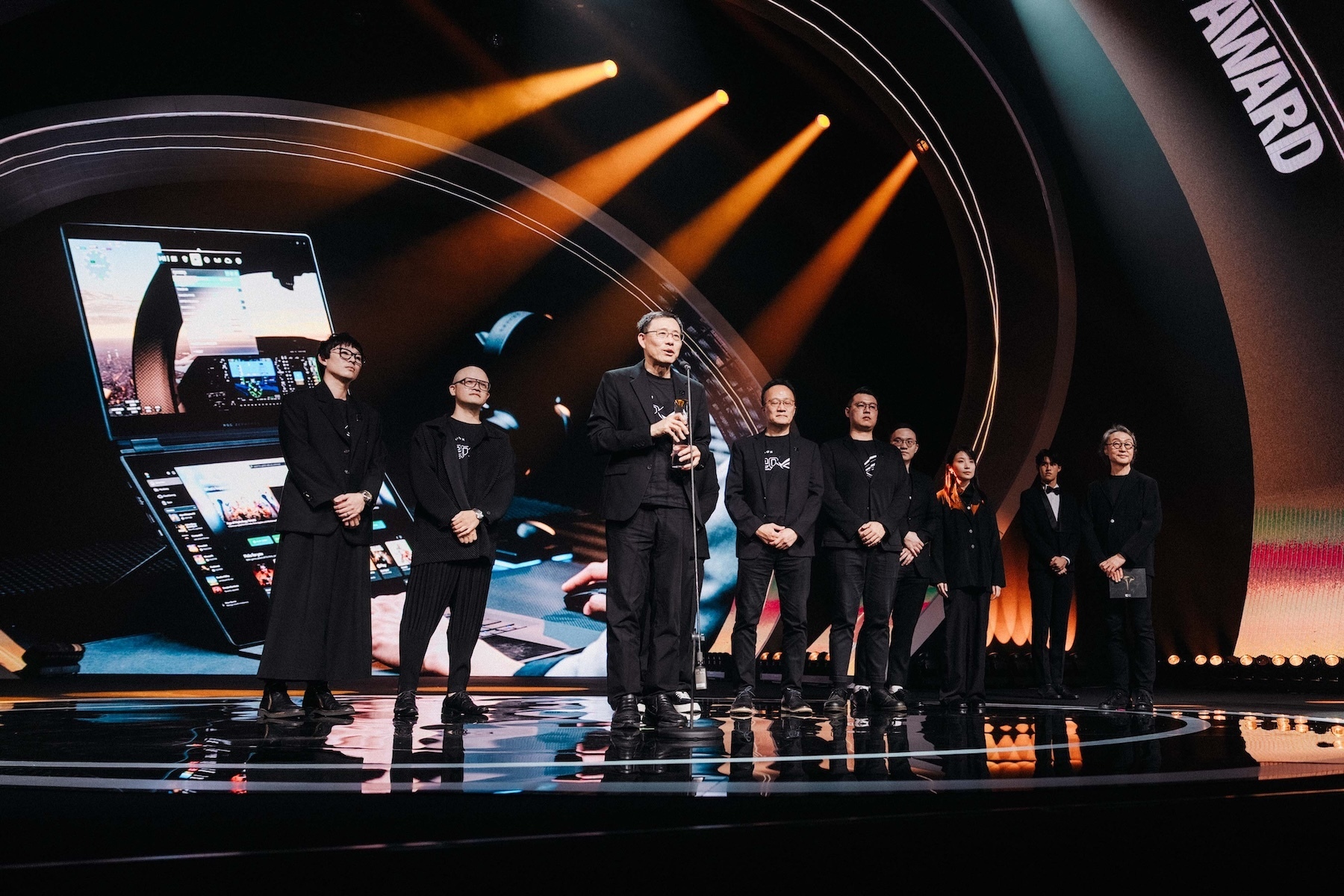 ASUS wins the Best Design Award once again with its dual 16-inch 3K OLED touchscreen gaming laptop.
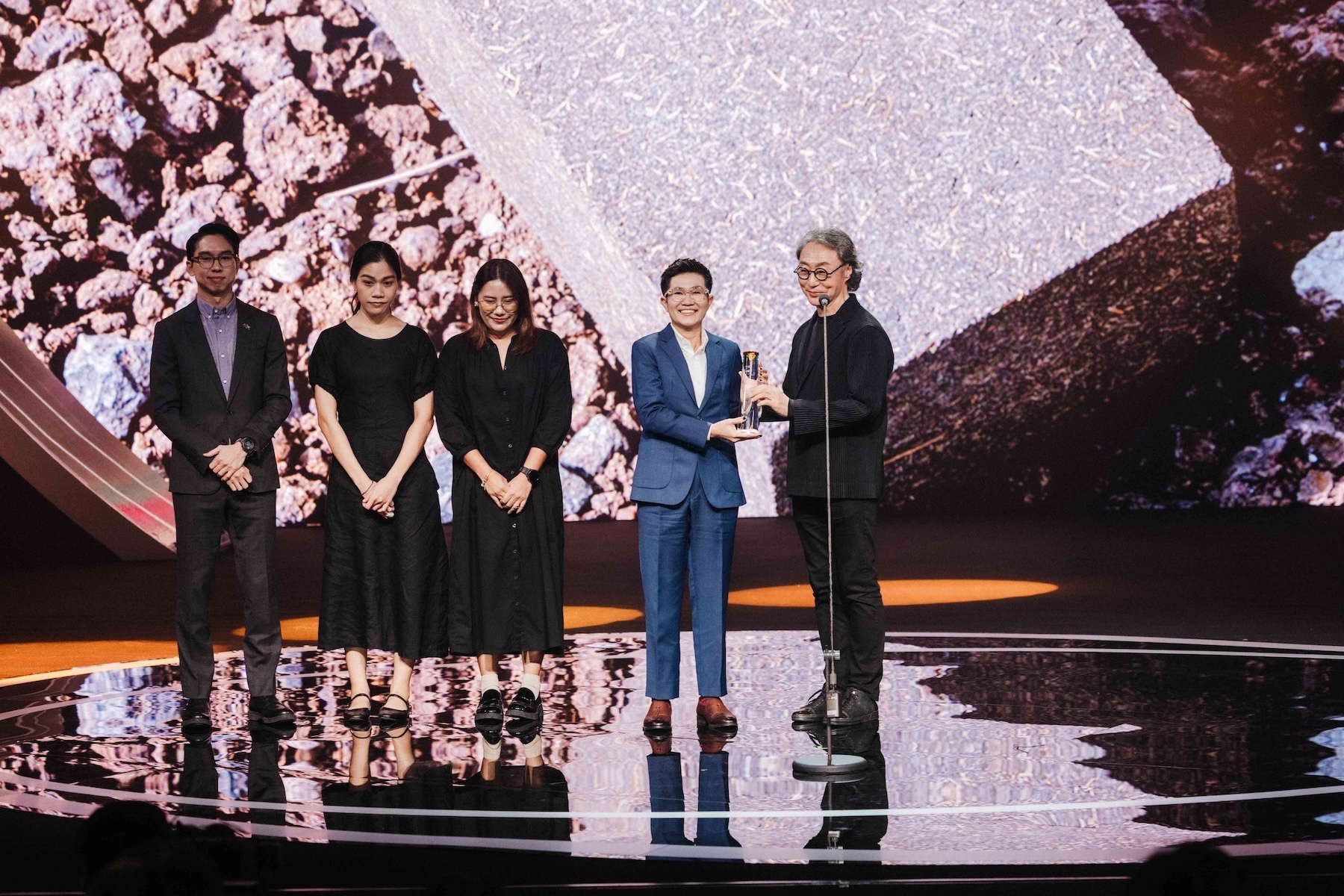 Taking the stage once again as a Golden Pin Design Award winner, Thailand’s mflex factory expresses its deep affection for Taiwan, sharing that every trip back feels just like coming home.
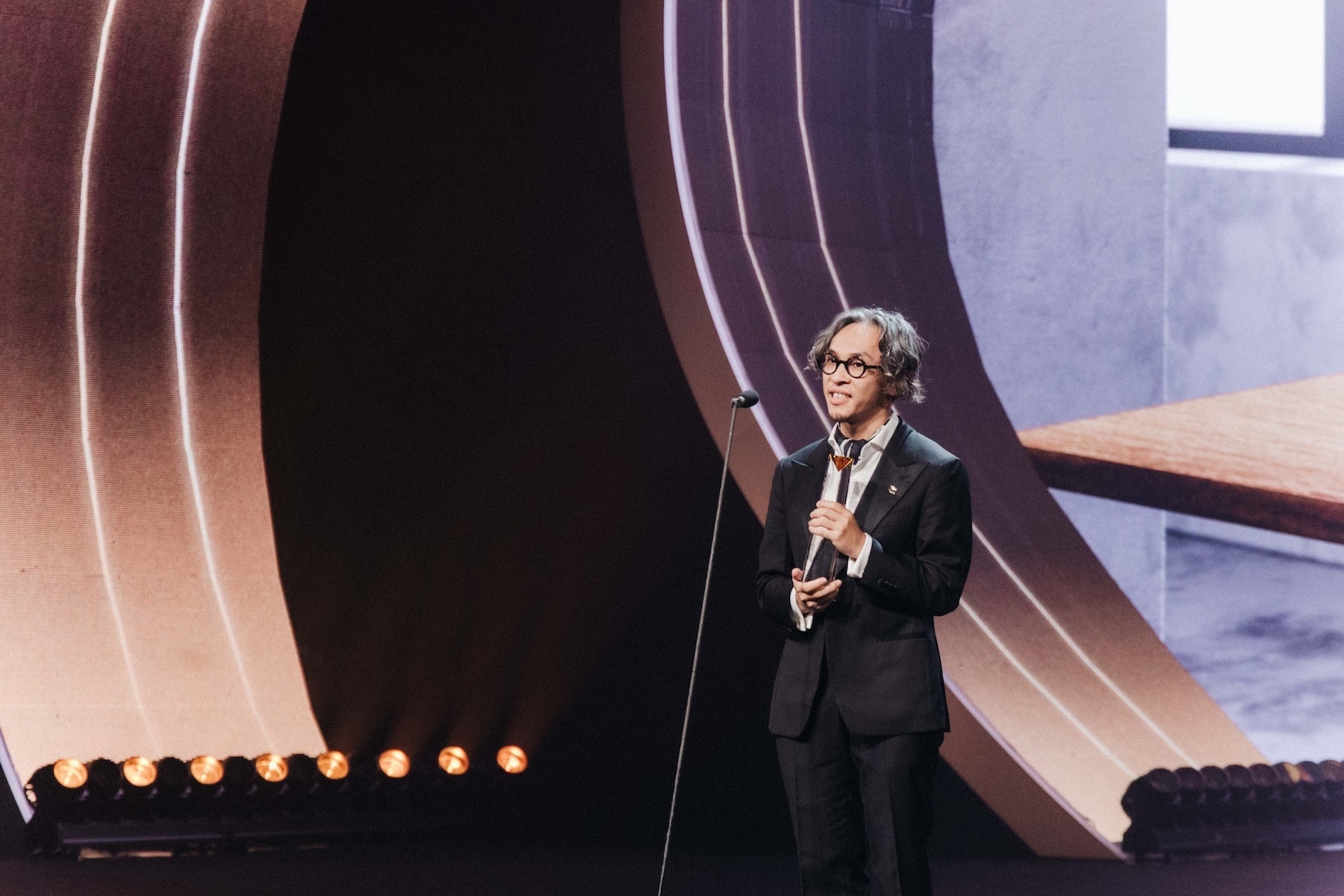 Accepting the award, a representative of the “Olbia” design team thanked the organizers for the opportunity that brought him back to Taiwan after many years.
-
Communication Design Category
The Communication Design category featured a diverse range of outstanding works. Two projects by Aaron Nieh Workshop (Taiwan) received Best Design Awards: “2025 Zhubei Gift Festival ─ Beyond Gifting|Gift Box Packaging Design,” which brought together local specialties through a curatorial approach, and “Mitsubishi Heavy Industries Air Conditioner ‘Air Craft Maison’ | 2026 Summer Visual Campaign,” which introduced a fresh approach to communication for an established home appliance brand.
In brand identity design, “Taiwan Tourism Rebranding” (Bito, Taiwan) drew inspiration from Taiwan's mountains, seas, and roads to establish a distinctive international identity for Taiwan tourism. “CHOHO Pig Brand Identity & Packaging Redesign” (TU DESIGN OFFICE, Taiwan), “half” (EDITED, Hong Kong), and “Jim Thompson Farm Brand Identity” (The Studio Apollo, Thailand) drew on local agricultural products, dining culture, and traditional textile craftsmanship, respectively, creating visual identities rich in cultural character and distinct personality.
Meanwhile, “TUGFO 24” (Orbit, Türkiye), created for the Turkish National Youth Philharmonic Orchestra, used a typeface system that blends uppercase and lowercase letterforms to capture the orchestra's youthful energy and professional excellence. “Atlas of Queer Anatomy” (Ku Kuang-Yi Creative Studio, Taiwan) transformed complex issues into a richly layered reading experience through intricate imagery and book design, earning recognition for its bold experimentation with form.
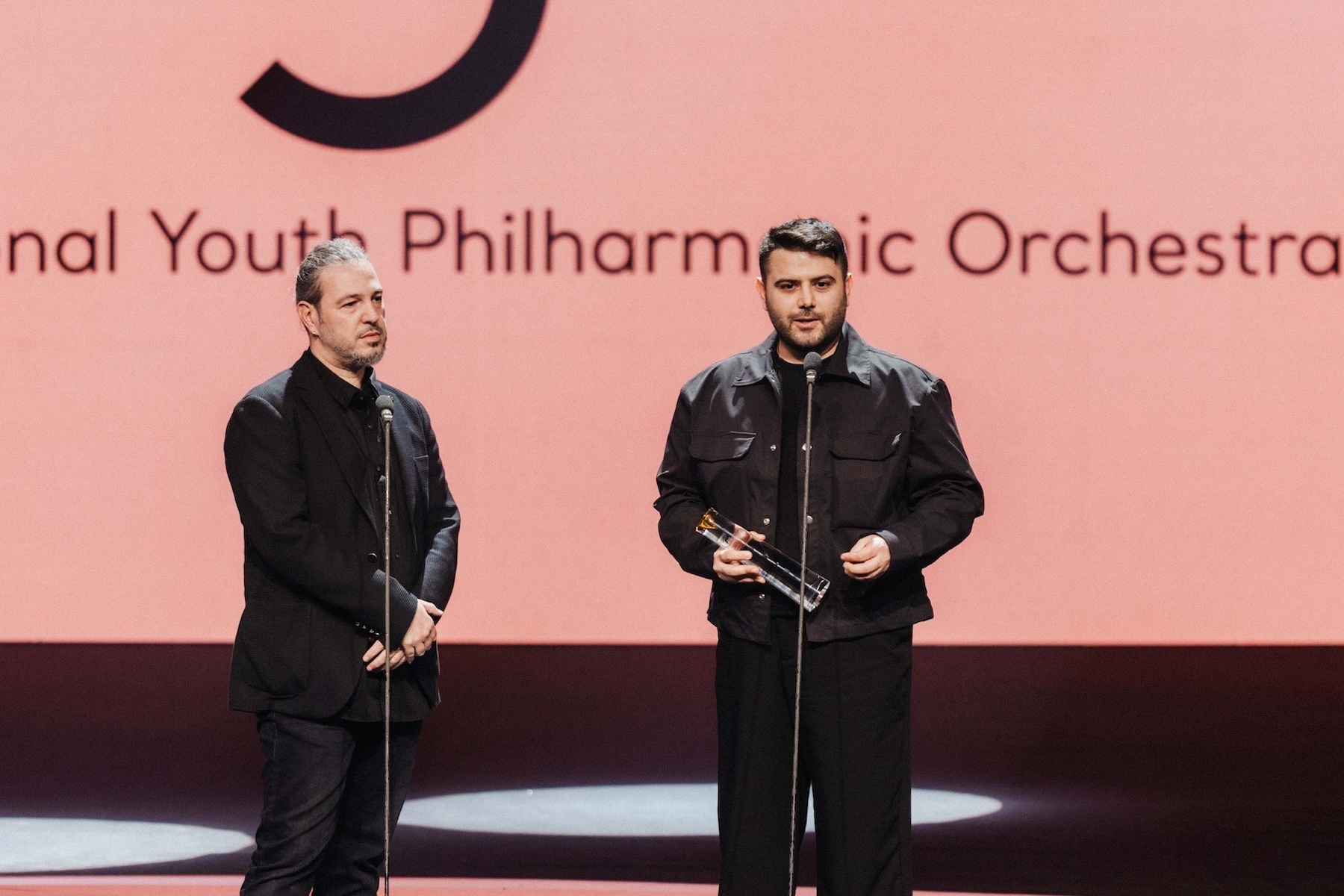 In its very first year, emerging Turkish design studio Orbit won the Best Design Award for its visual identity created for a youth philharmonic orchestra.
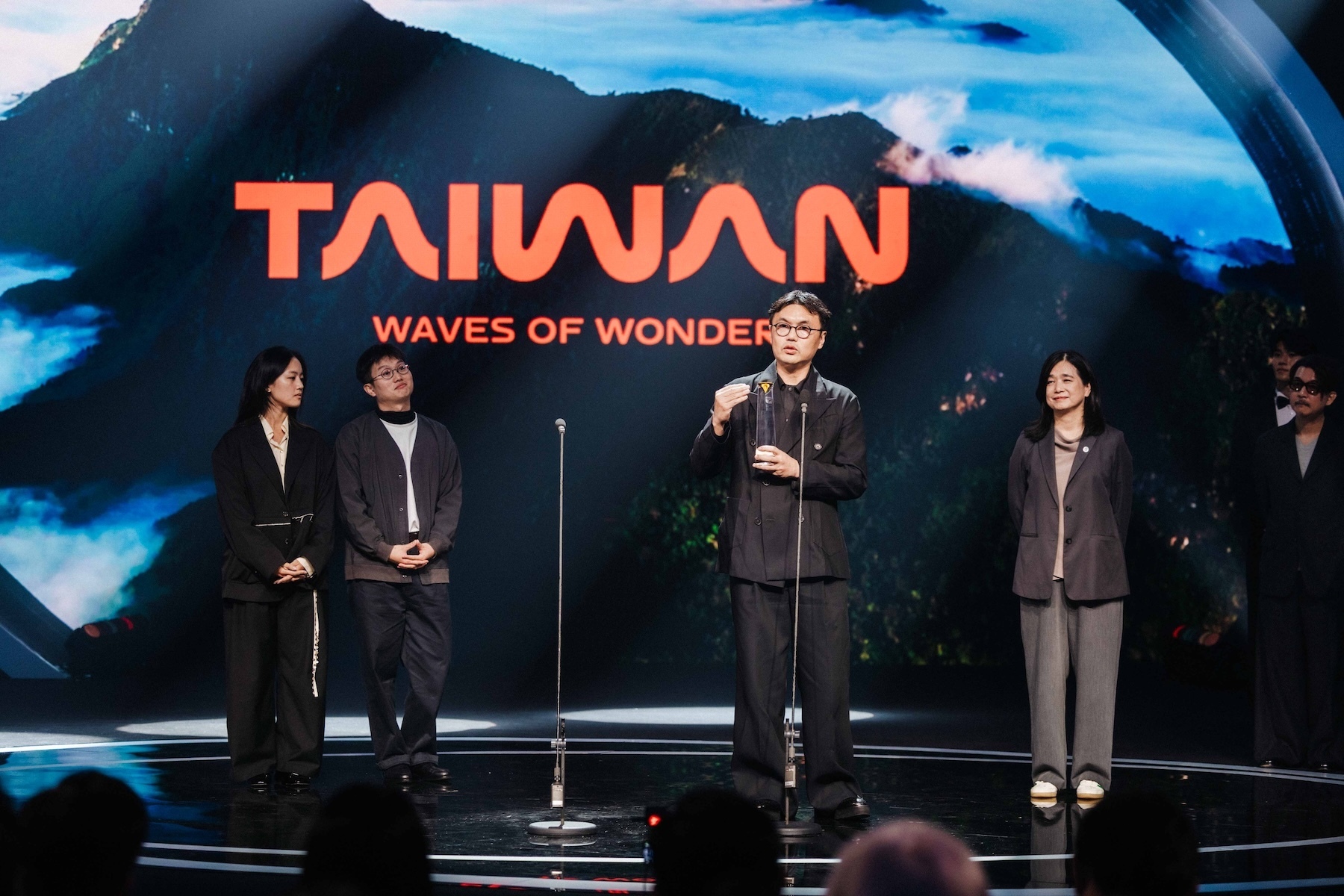 “Taiwan Tourism Rebranding,” designed by Bito for Taiwan’s Tourism Administration, wins the Best Design Award in Communication Design.
 Emerging Thai design studio The Studio Apollo wins the Best Design Award for its brand identity created for a luxury Thai silk brand’s own farm.
-
Spatial Design Category
The Spatial Design winners spanned a wide range of scales, from urban public infrastructure to residential and industrial spaces. “Kaohsiung Main Station” (Southern Region Engineering Branch Office, Railway Bureau, MOTC, Taiwan) features a sunken plaza inspired by traditional temple forecourts. By integrating transportation, green landscapes, and cultural heritage preservation, the project reconnects the station with the city's public life and establishes a new urban gateway to Kaohsiung, earning high praise from the jury.
The revitalization of existing sites was another highlight. “hontoka” (Ojiya City, Japan) transforms a former hospital site into a multifunctional public facility combining a library and community gathering spaces. Conceived as a “town living room,” it demonstrates how public infrastructure can contribute to local revitalization. Similarly, “Dib Bangkok” (Dib Bangkok, Thailand) converts a 1980s warehouse into a contemporary art museum, giving the historic structure renewed cultural significance.
Other winners included the Tokyo residential project “Nishiogi Comichi Terrace” (NARUSE・INOKUMA ARCHITECTS Co., Ltd., Japan); “Three Roofs Timber Hall” (OOTT, Japan), a forest retreat distinguished by its elegant timber construction; and “LPP Rice Bran Oil Laboratory and Rice Grading Center” (PHTAA Living Design Co., Ltd., Thailand), which combines mflex’s rice-straw concrete blocks with steel structures. These projects were recognized for their architectural approaches to urban living, natural environments, and industrial needs, respectively.
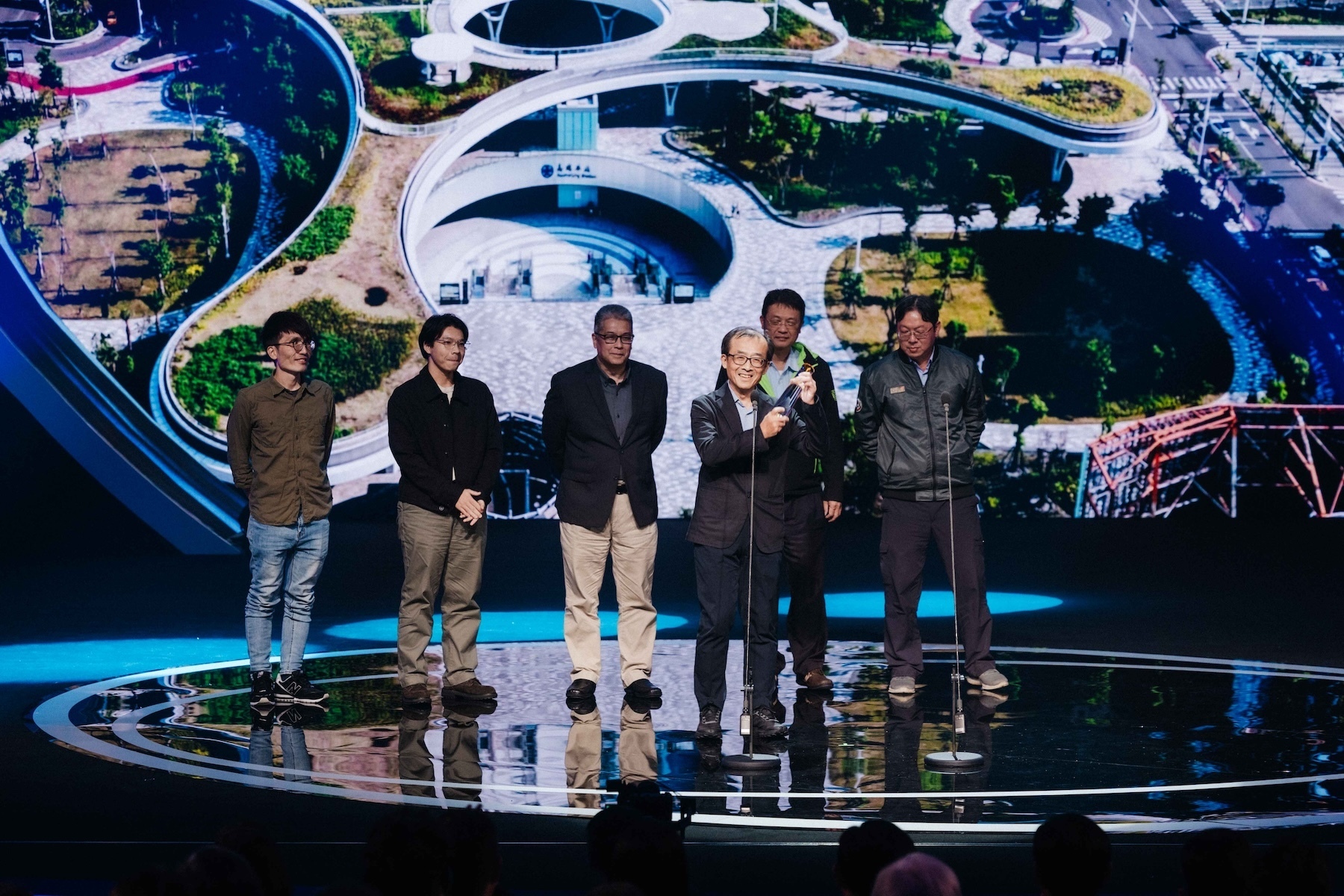 Inspired by traditional temple forecourts, “Kaohsiung Main Station” pairs a sunken plaza with the preserved historic station and new structure, winning the Best Design Award in Spatial Design.
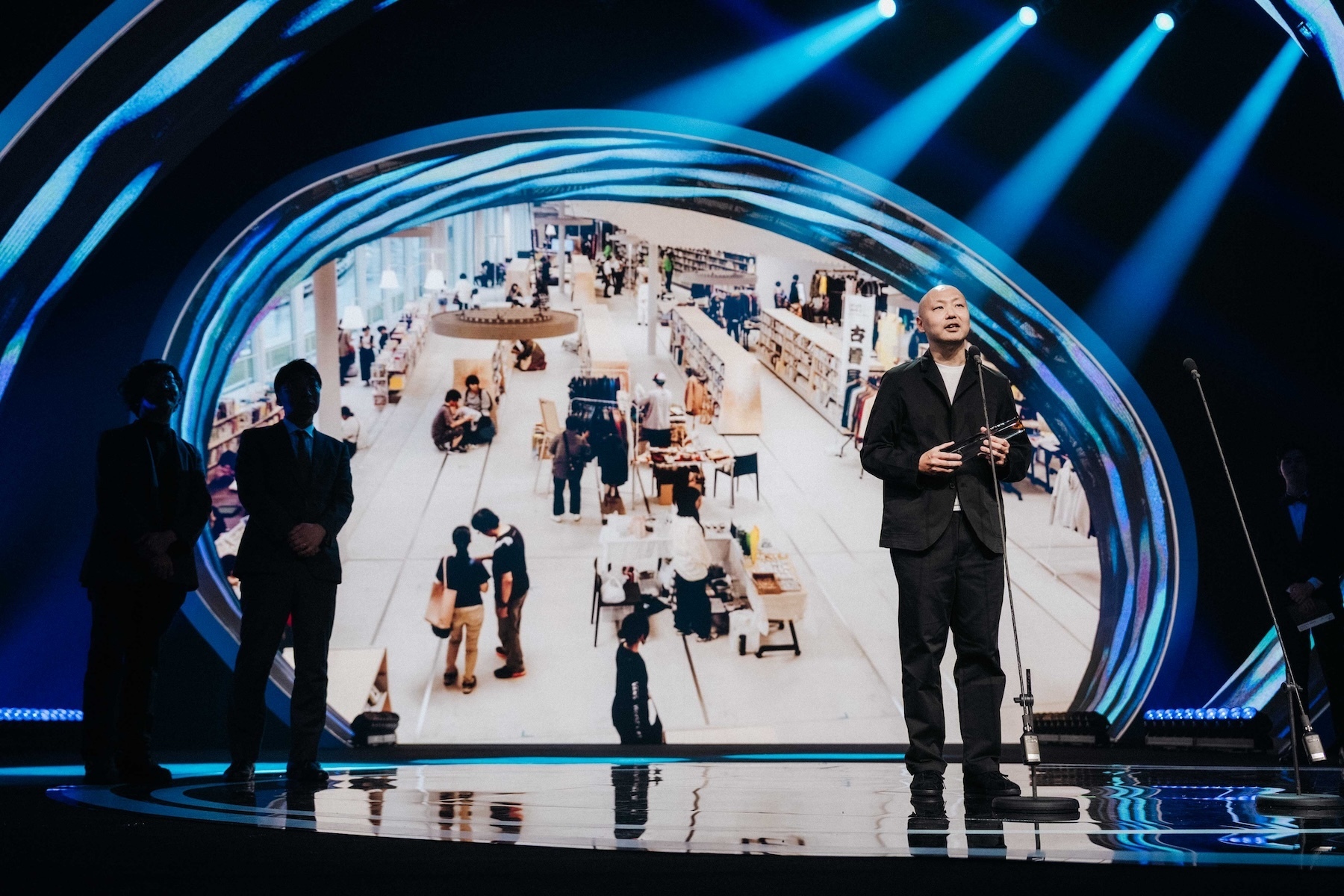 Honored with the Best Design Award for “hontoka,” a representative from Ojiya City, Japan, warmly invites everyone to visit.
 Thailand’s “Dib Bangkok,” which transforms a 1980s warehouse into a contemporary art museum, shares a thank-you message via video from its representative.
-
Integration Design Category
The Integration Design category highlighted innovative approaches to public services, resource circularity, and local needs. “MRT Taipei Main Station B3: Modular Systems for Sustainable Standards” (Morpho Design, Path & Landforms, UPGA / WARCH, Taiwan), a collaborative project for Taipei Metro, reorganizes passenger circulation and addresses complex challenges in integrating multiple systems. The design improves the transfer experience while setting a benchmark for transit hub renewal. “FONGSHAN ATELIER” (Atelier AGI, Taiwan) transforms an underutilized space at Tzu Chi’s Fengshan Jing Si Hall into a center for denim upcycling and appliance repair. By engaging the public directly in circular practices, the project further expands the reach and impact of the organization’s existing environmental initiatives.
Two Japanese projects were also recognized. “Reposaku” (Ezowin Inc., Japan), a platform developed to preserve and pass down agricultural skills, uses a GPS tracker that requires no additional operation to record farm machinery movements, laying the groundwork for future agricultural automation. “Shima-Ame-lab.” (Fukui University of Technology, Japan), developed in collaboration with Goto City to address the lack of a piped water supply on Akashima Island, combines a rainwater harvesting system with an experiential program. Its accessible facilities demonstrate a thoughtful, locally adapted approach, earning the project top honors.
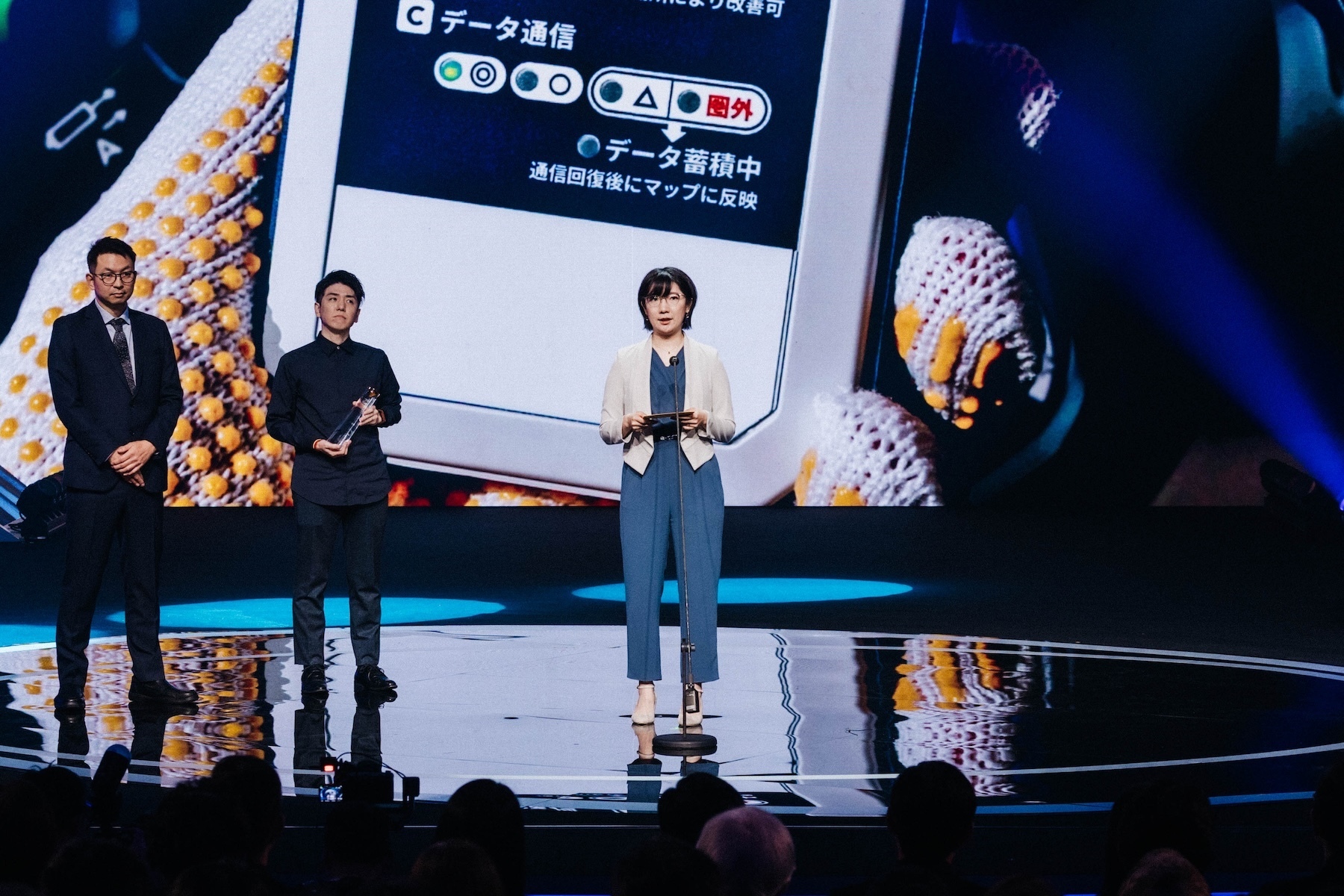 Hokkaido-based startup Ezowin Inc. wins the Best Design Award for its agricultural collaboration platform “Reposaku,” warmly thanking local farmers for welcoming the team into their fields.
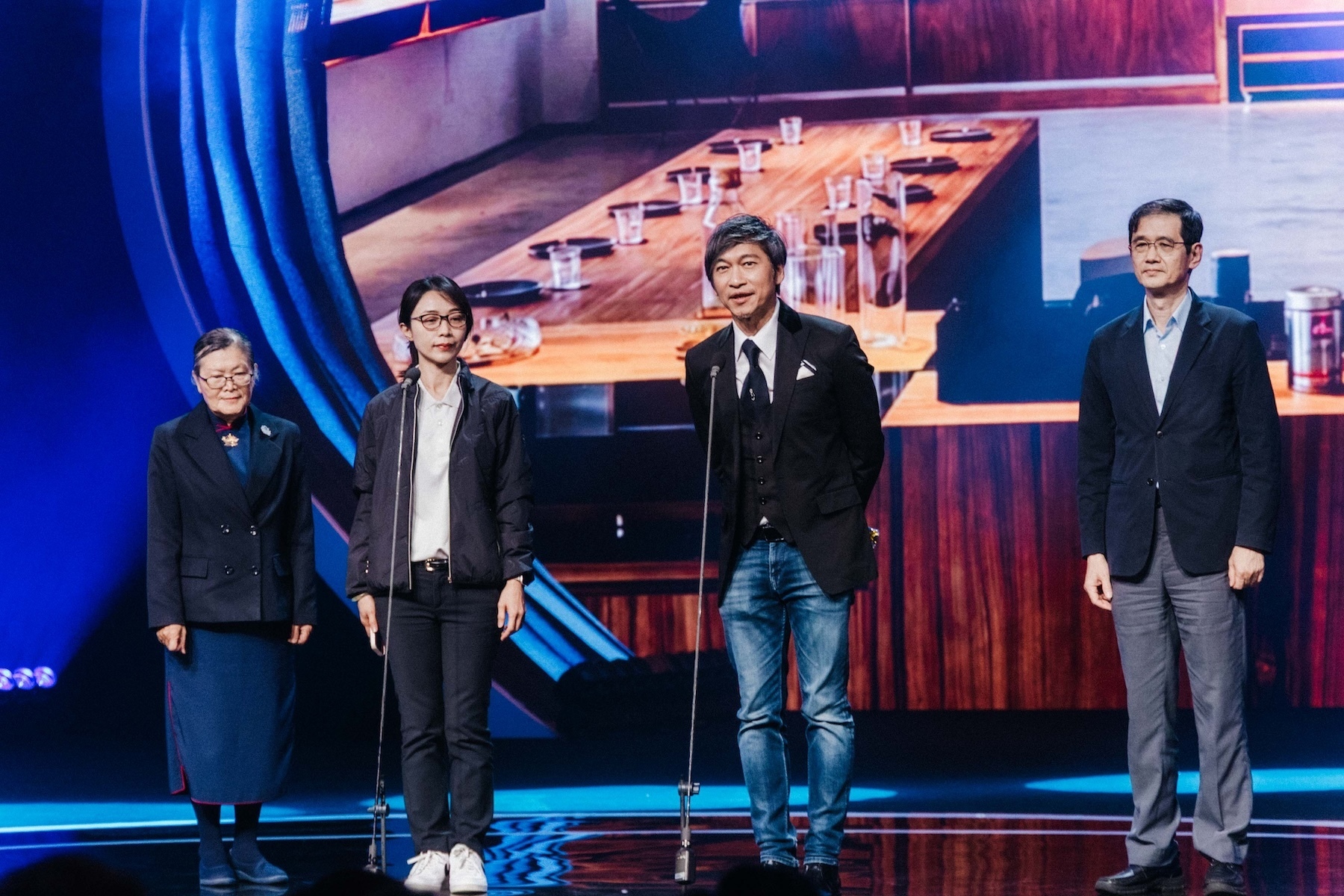 The design team behind “FONGSHAN ATELIER” thanks Tzu Chi for its trust and support.
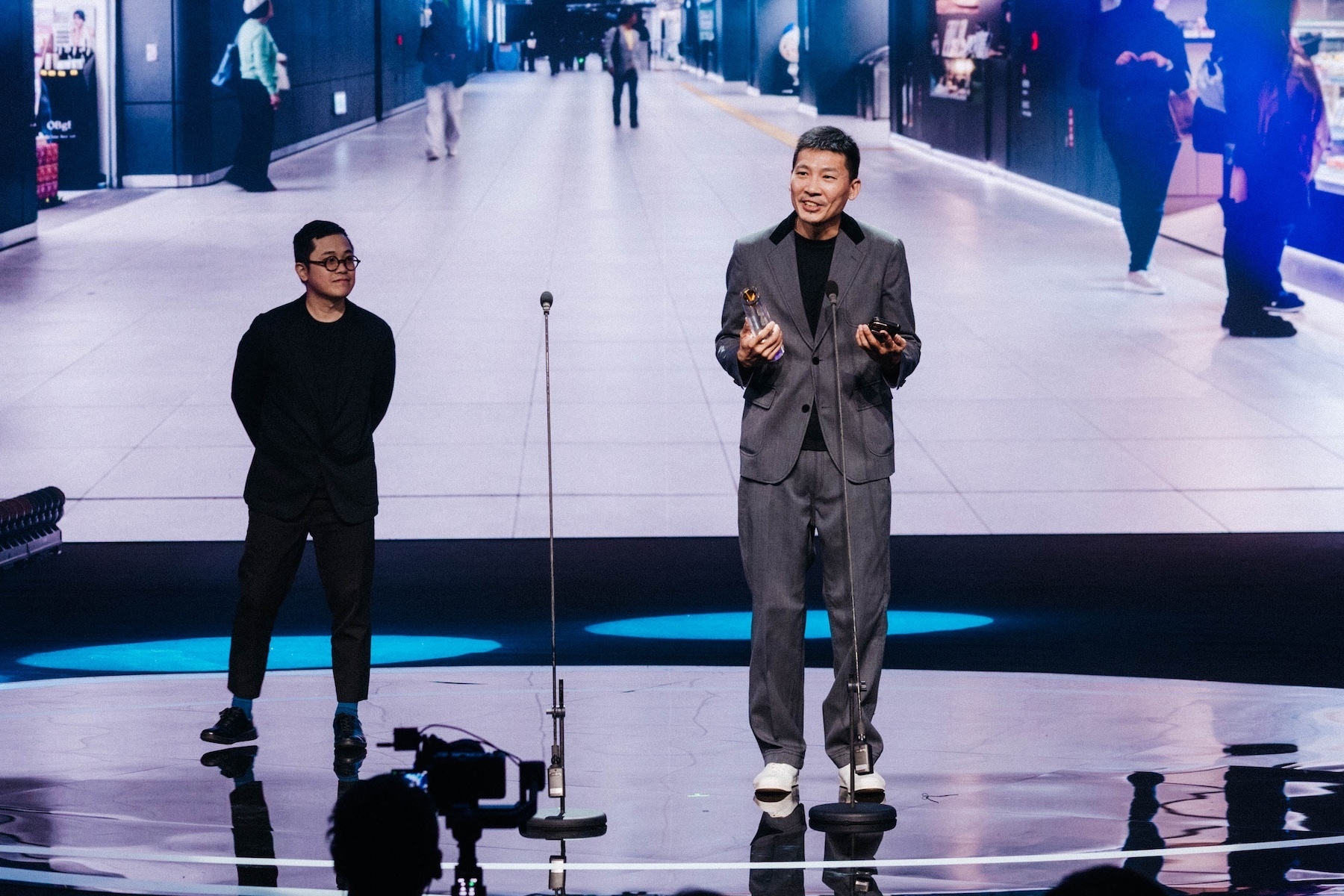 The renovation of “MRT Taipei Main Station B3” wins the Best Design Award in the Integration Design category, with the design team thanking the Taipei Rapid Transit Corporation for its support and bold vision.
-
Special Award Winners
This year’s two Special Awards recognize innovative applications of design in public services and industrial transformation. For Social Design, “Process-Controlled Waste Sorting Rear Module|ET35” (Inmotion design Co., Ltd. and CHINA MOTOR CORPORATION (CMC), Taiwan) introduces a modular recycling truck design that streamlines waste collection and sorting, improving convenience for the public and working conditions for sanitation workers.
For Circular Design, “SPRINGPOOL ORIGINAL FACTORY” (Spring Pool Glass Industrial Co., Ltd., Taiwan) embraces the concept of “Half Open, Half Production,” integrating manufacturing, craft preservation, design exchange, and circular education to offer a model for traditional industry transformation.
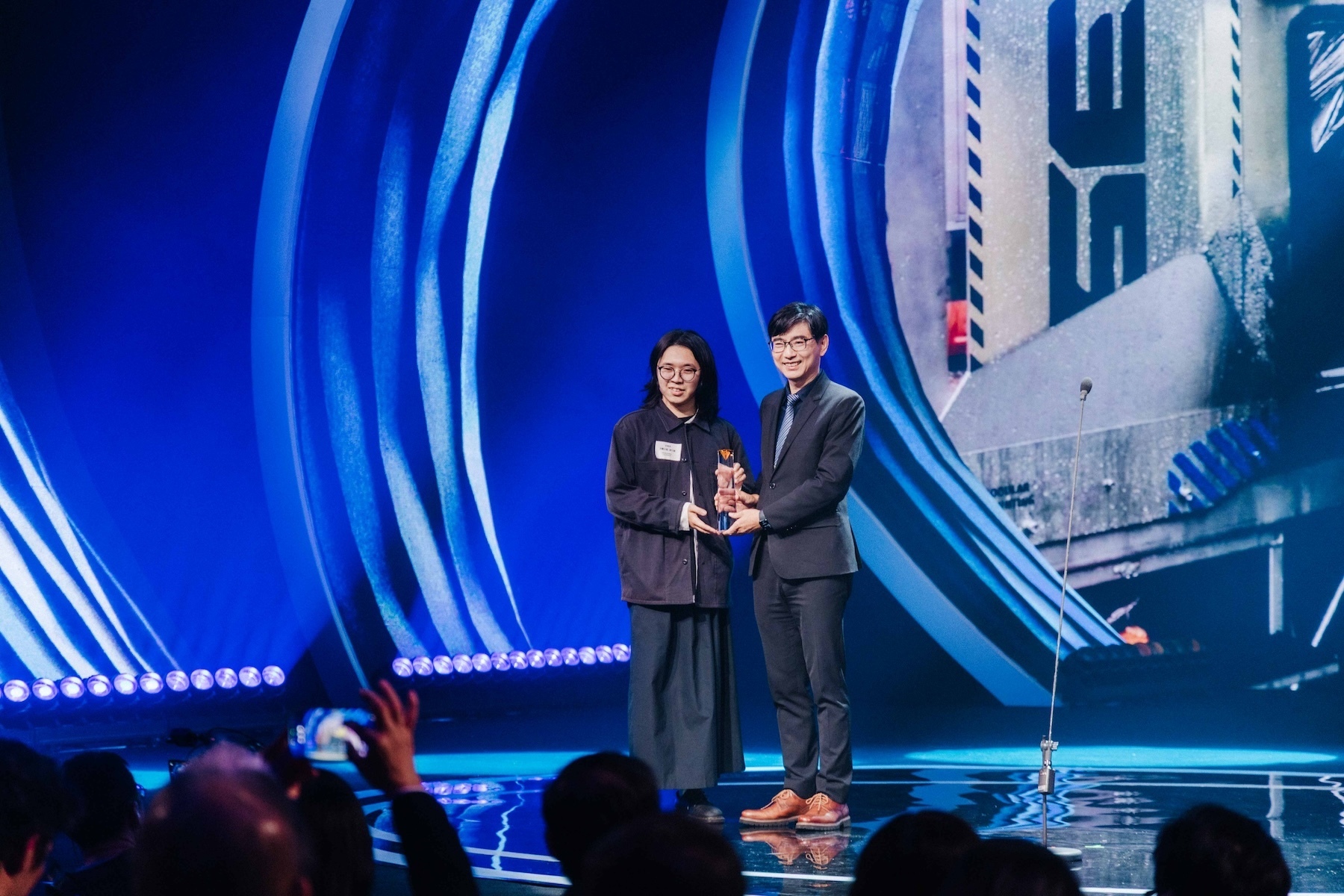 China Motor Corporation and INMU Design collaborate to redesign recycling trucks and collection workflows, winning the Special Award for Social Design.
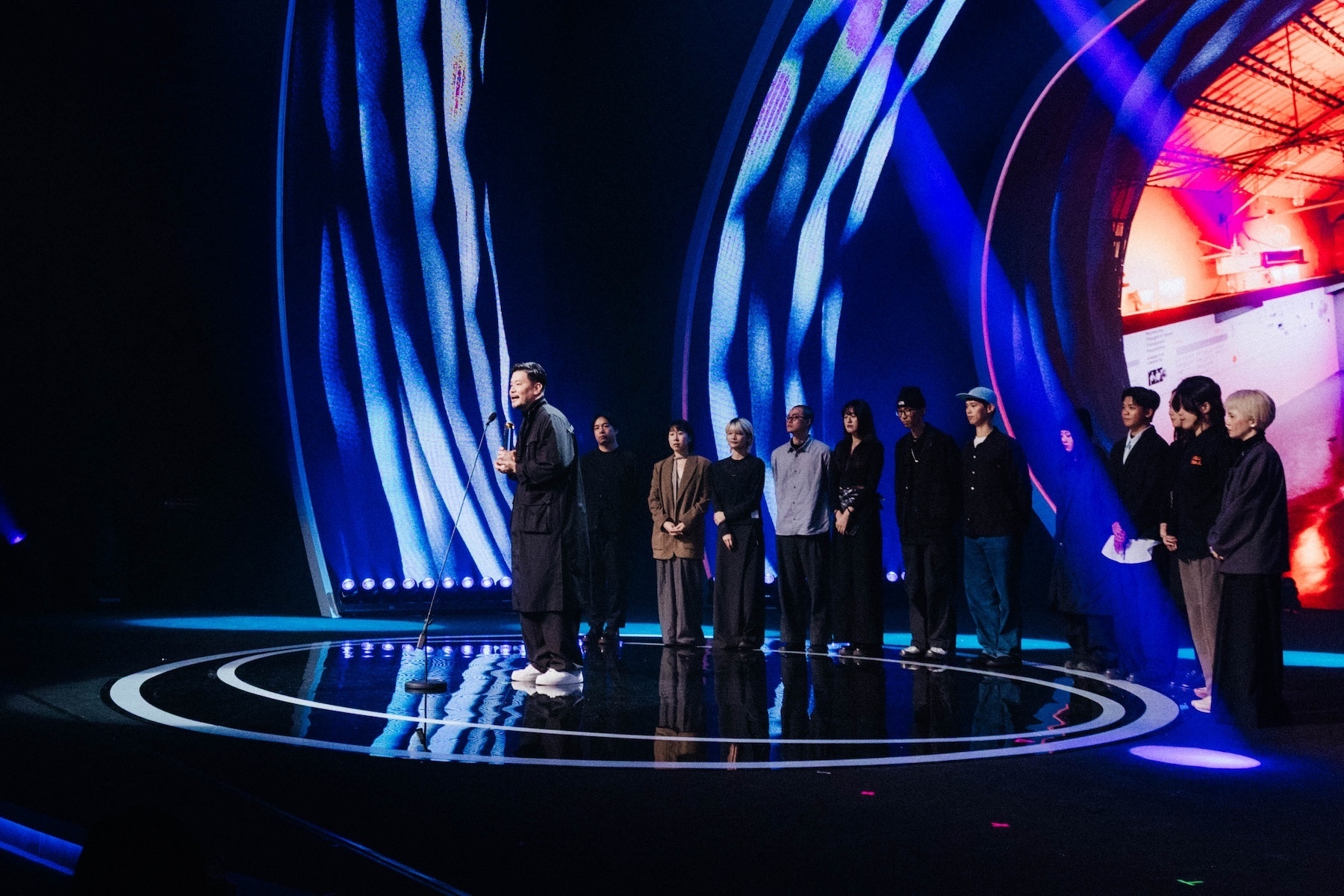 Spring Pool Glass’s “SPRINGPOOL ORIGINAL FACTORY” wins the Special Award for Circular Design for transforming its manufacturing facility into an interdisciplinary co-creation platform.
2026 Golden Pin Concept Design Award: Inventive Concepts for a Foldable Suitcase, Multisensory Learning Aid, and Agricultural Logistics Facility
The Golden Pin Concept Design Award is dedicated to discovering innovative design proposals with strong development potential, encouraging emerging designers and startups to push boundaries and explore new possibilities.
This year, the competition attracted entries from 21 countries and regions worldwide, with 31 projects receiving the Golden Pin Concept Design Mark. Of these, 11 advanced to the Final Selection, and three outstanding concepts addressing rural development, travel needs, and language learning ultimately claimed the Best Concept Design Award, the competition's highest honor. Each winning entry will receive a cash prize of NT$300,000.
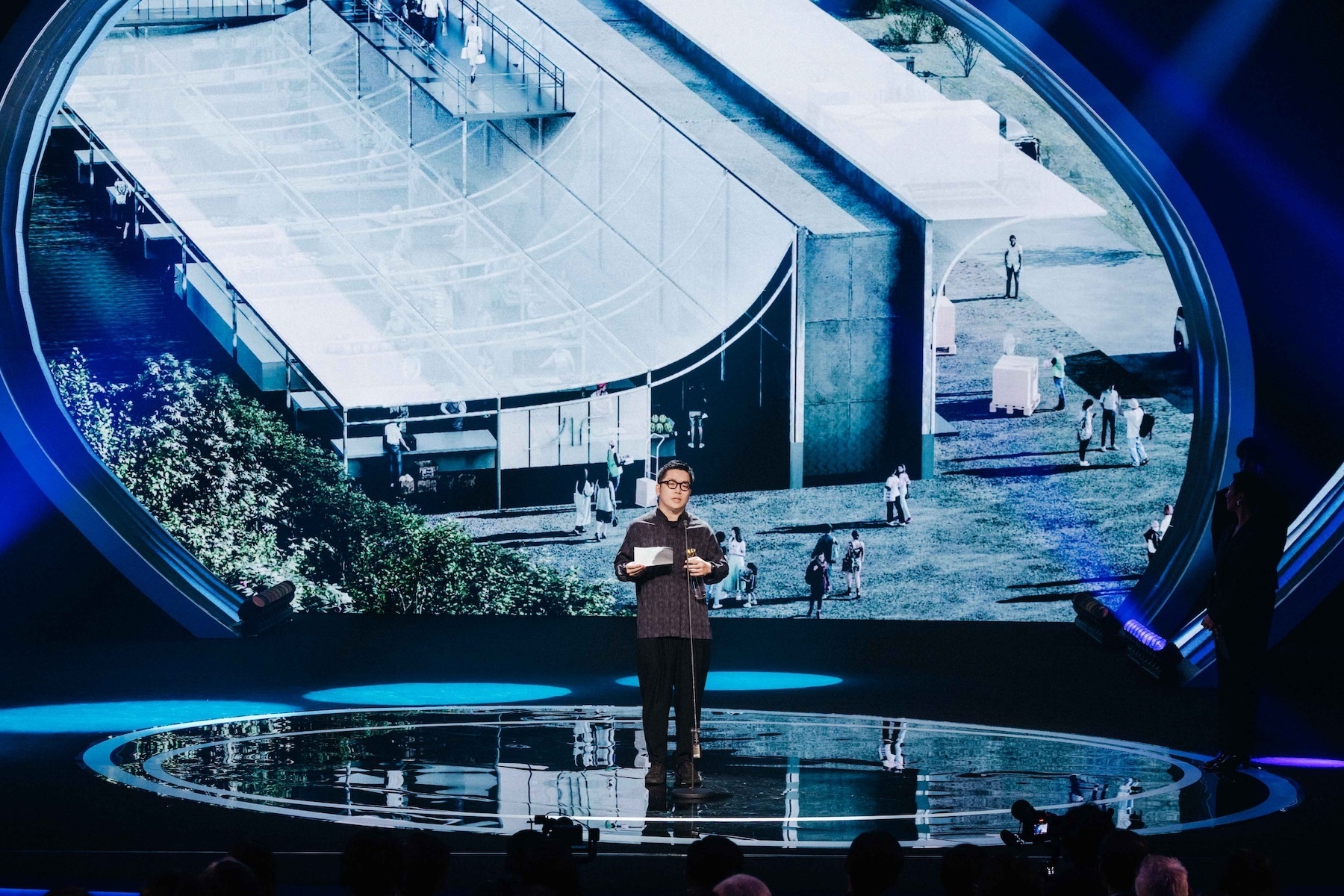 Chinese designer Wang Xinpeng wins the Best of Golden Pin Concept Design Award for “Fruit Post Market,” an agricultural distribution hub designed for orchards in Chengdu’s mountainous region.
 Thai designer Aree Sangsukiam wins the Best Concept Design Award for “A-aa-i-ii,” a multisensory vowel-learning tool created for children with dyslexia.
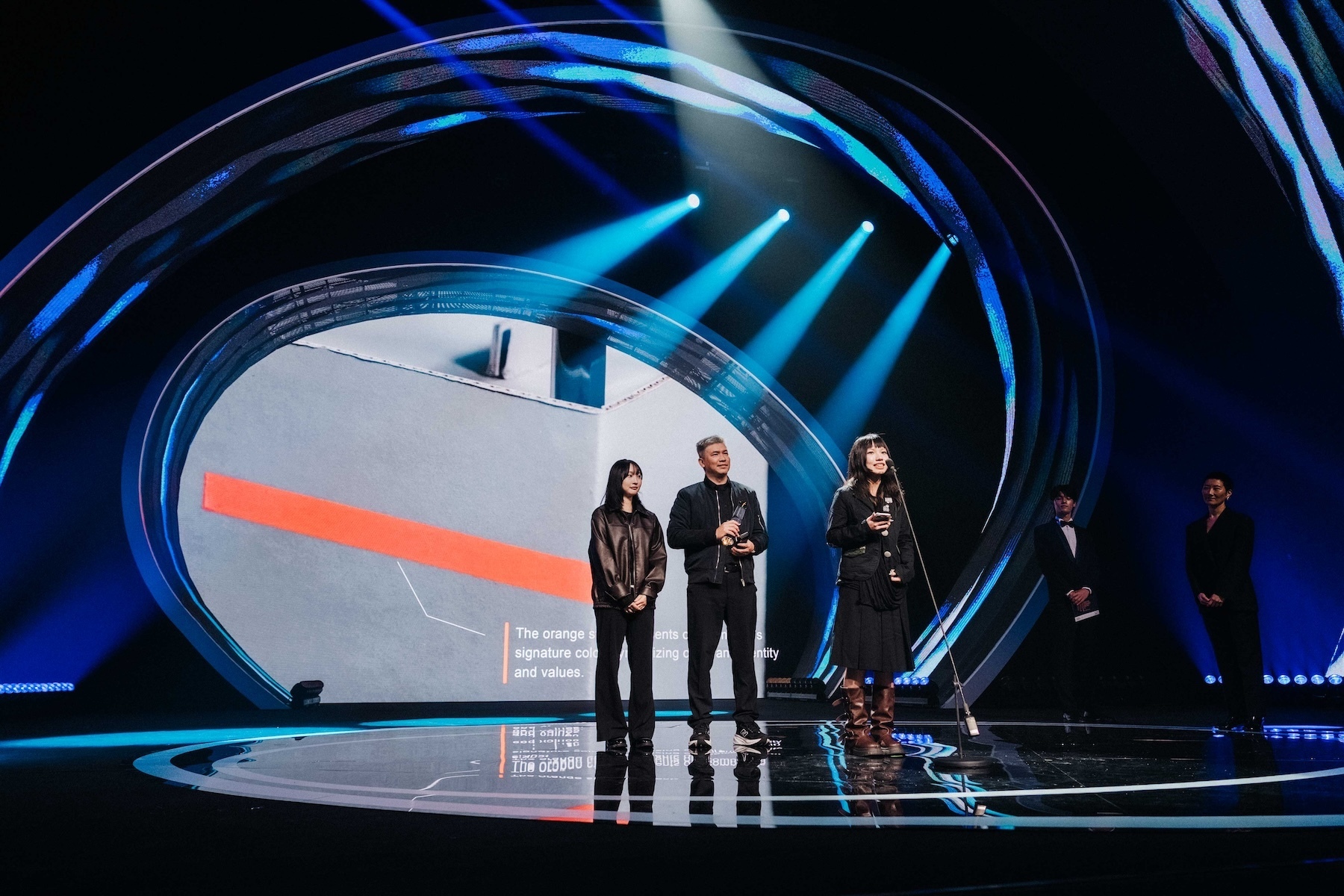 An emerging Taiwanese design team receives the Best of Golden Pin Concept Design Award for “Double Case,” an innovative foldable paper suitcase.
Discover the Winning Entries at the 2026 Golden Pin Design Award Exhibition
The complete lists of winners of the 2026 Golden Pin Design Award and Golden Pin Concept Design Award are available on the official website (https://www.goldenpin.org.tw). Moving forward, the Golden Pin Design Award will continue to support outstanding designs in exploring new market opportunities through its selection, business matchmaking, and international promotion initiatives, further fostering international design exchange and industry collaboration.
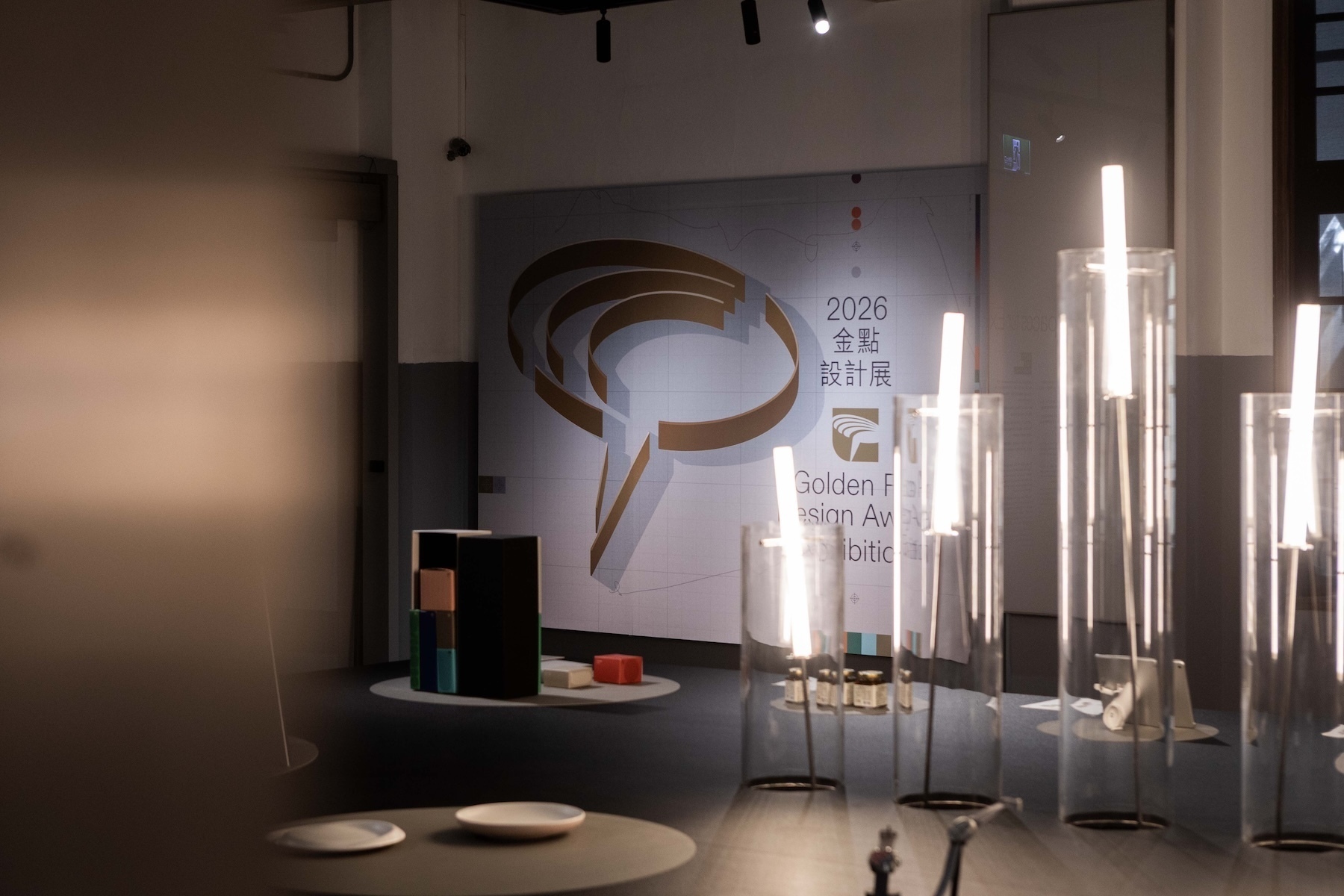
Selected winning works from this year’s awards are currently on display at the 2026 Golden Pin Design Award Exhibition, held at the Taiwan Design Museum in Taipei’s Songshan Cultural and Creative Park. Running through Sunday, April 25, 2027, the exhibition invites visitors to experience firsthand how design brings fresh ideas and innovation to everyday life and industry.
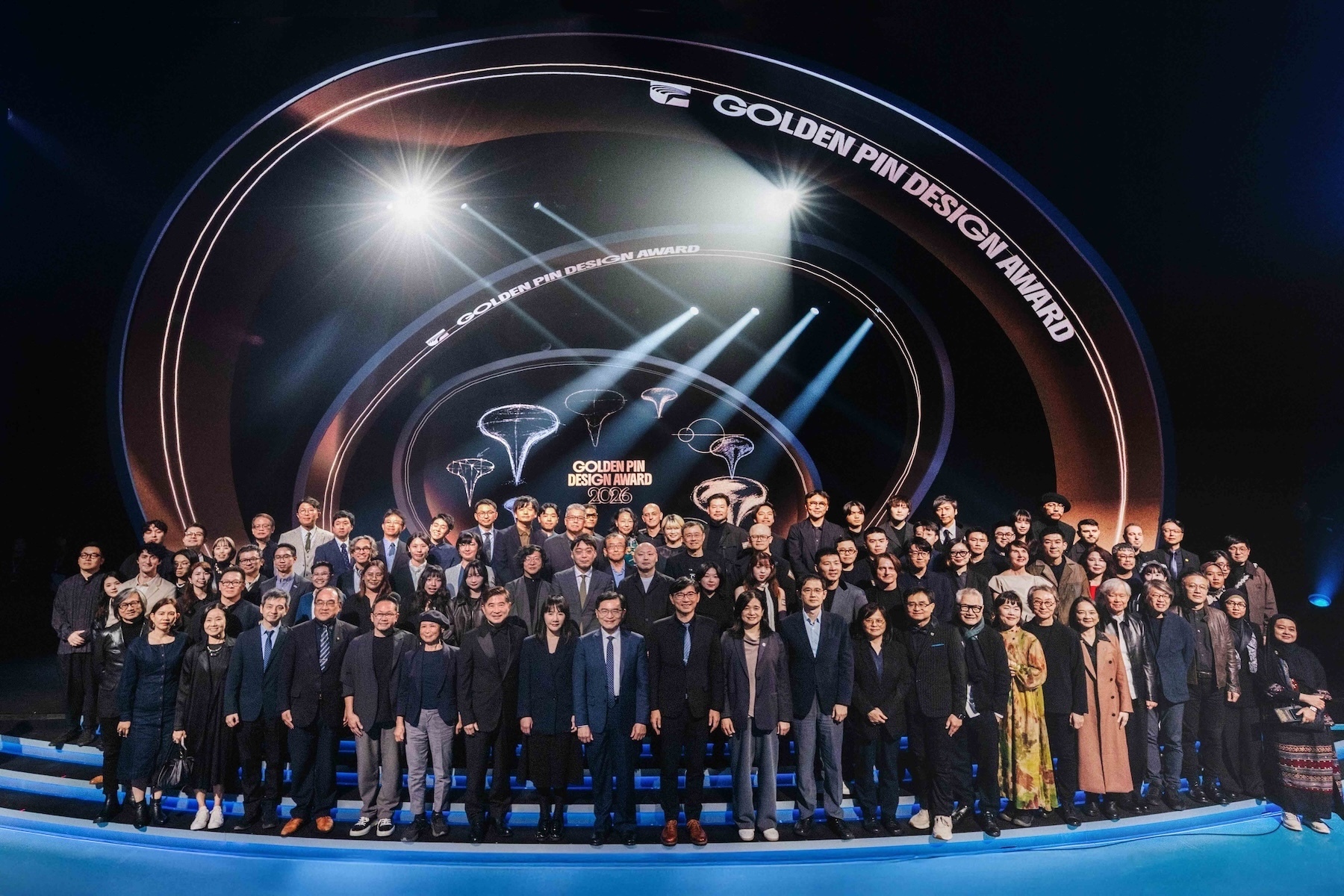
Winners of the 2026 Best Design of the Year and Special Annual Awards