Seeing Thailand Without “Thai Style”: EKAR Architects Rethinks Local Spirit Through Architecture
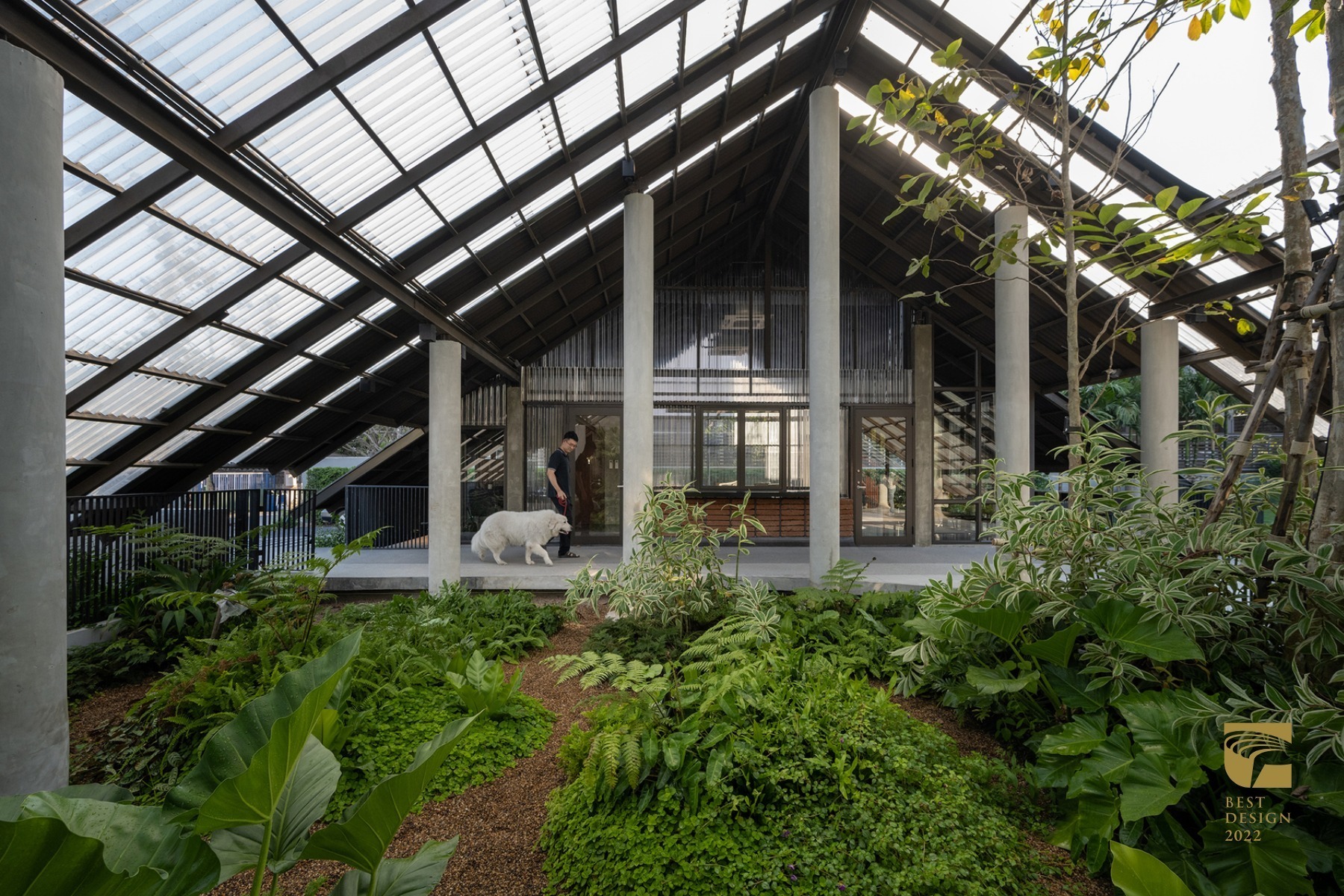 EKAR Architects “Dog / Home” won Best Design of Taiwan’s Golden Pin Design Award in 2021 (source: EKAR Architects)
“Culture is not static,” said the founder and principal architect Ekaphap Duangkaew. “We tend to want to freeze things as they were a hundred years ago, but that is not sustainable. Each generation of architects should reinterpret culture in its own way.”
This belief underpins EKAR’s design philosophy. Rather than deliberately pursuing a recognisable “Thai style”, the studio works from lived experience.
“If you’re authentic and true to yourself,” Ekaphap added, “both your own identity and a sense of Thailand will naturally emerge in the work.”
Both recent hotel projects, The Salya Hotel and Pusayapuri Hotel, respond to contrasting conditions, one shaped by tourism-driven transformation, the other by history erasure. Yet both return to the same underlying question: how can architecture make local spirit visible again?
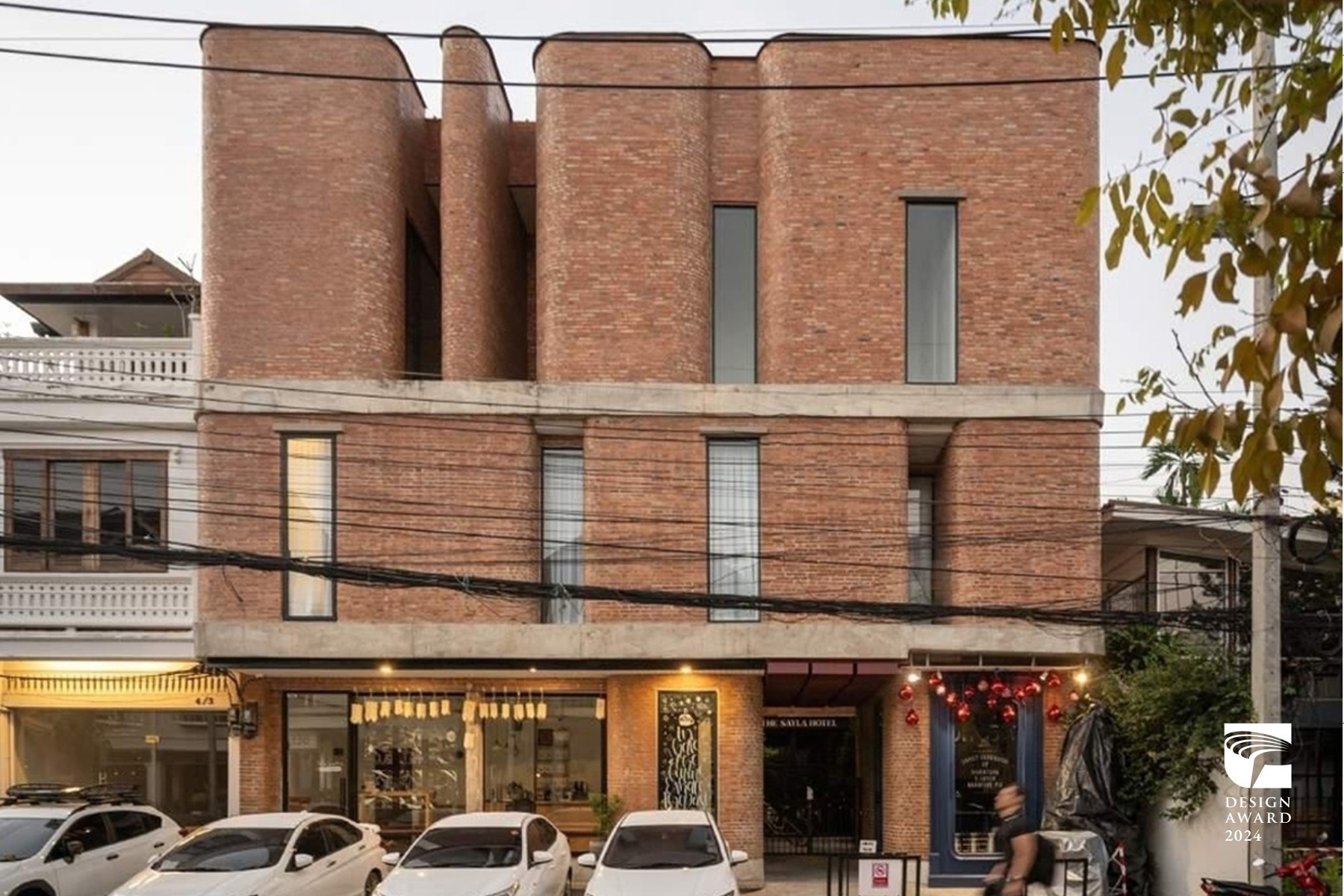 “The Salya Hotel” won Mark Winner of Taiwan’s Golden Pin Design Award in 2024 (source: EKAR Architects)
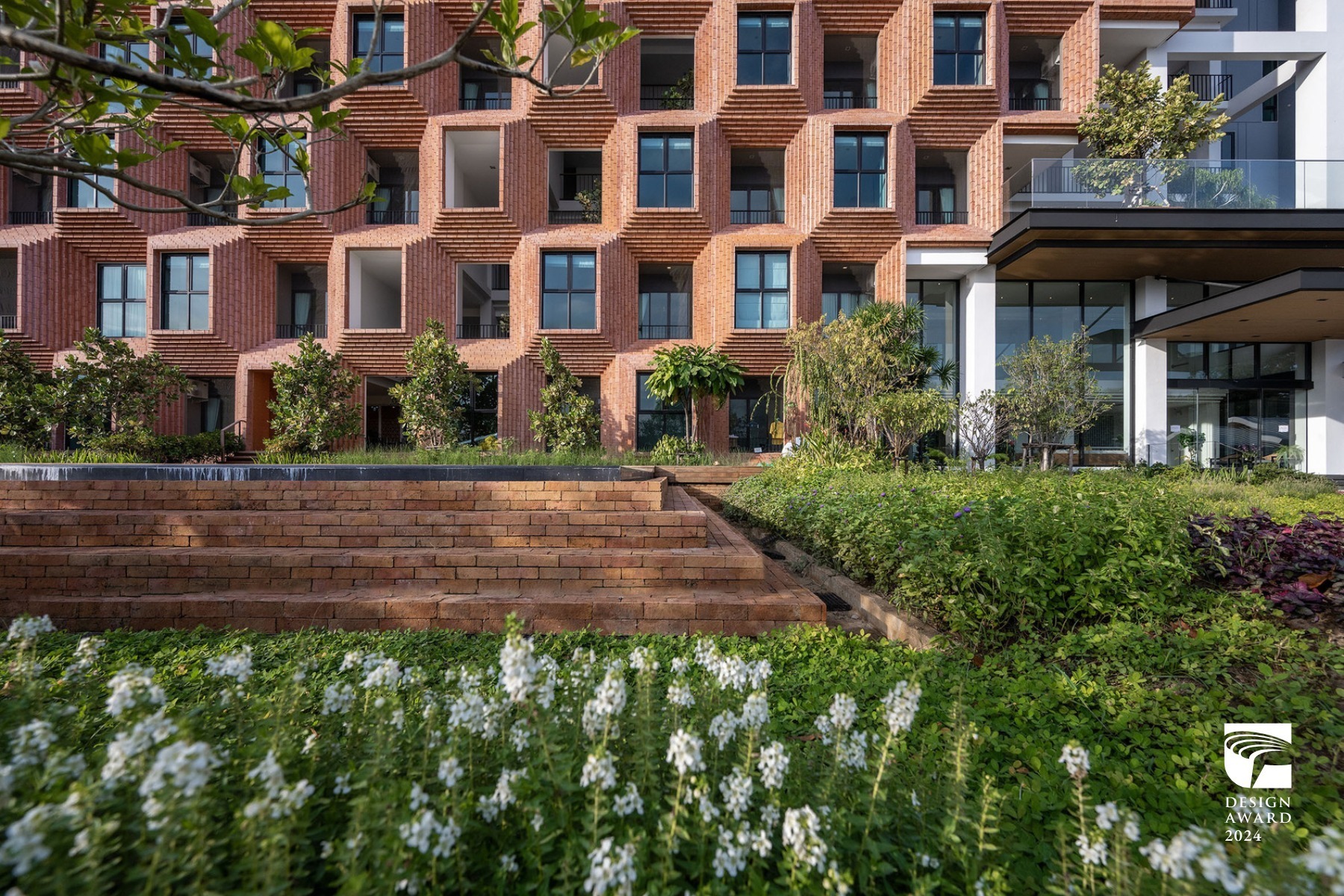 “Pusayapuri Hotel” won Mark Winner of Taiwan’s Golden Pin Design Award in 2024 (source: EKAR Architects)
The Salya Hotel, Chiang Mai: Reclaiming Rhythm Amid the Waves of Tourism
Located on Nimmanhaemin Road, an area reshaped by rapid tourism development, the Salya Hotel responds to the loss of Chiang Mai’s slower urban rhythm.
New hotels in the area increasingly prioritized spectacle and convenience, catering to short-term visitors. In contrast, the Salya Hotel, one of the first generation guesthouses in Chiang Mai, rooted in a quieter, more local way of life, has struggled to remain competitive.
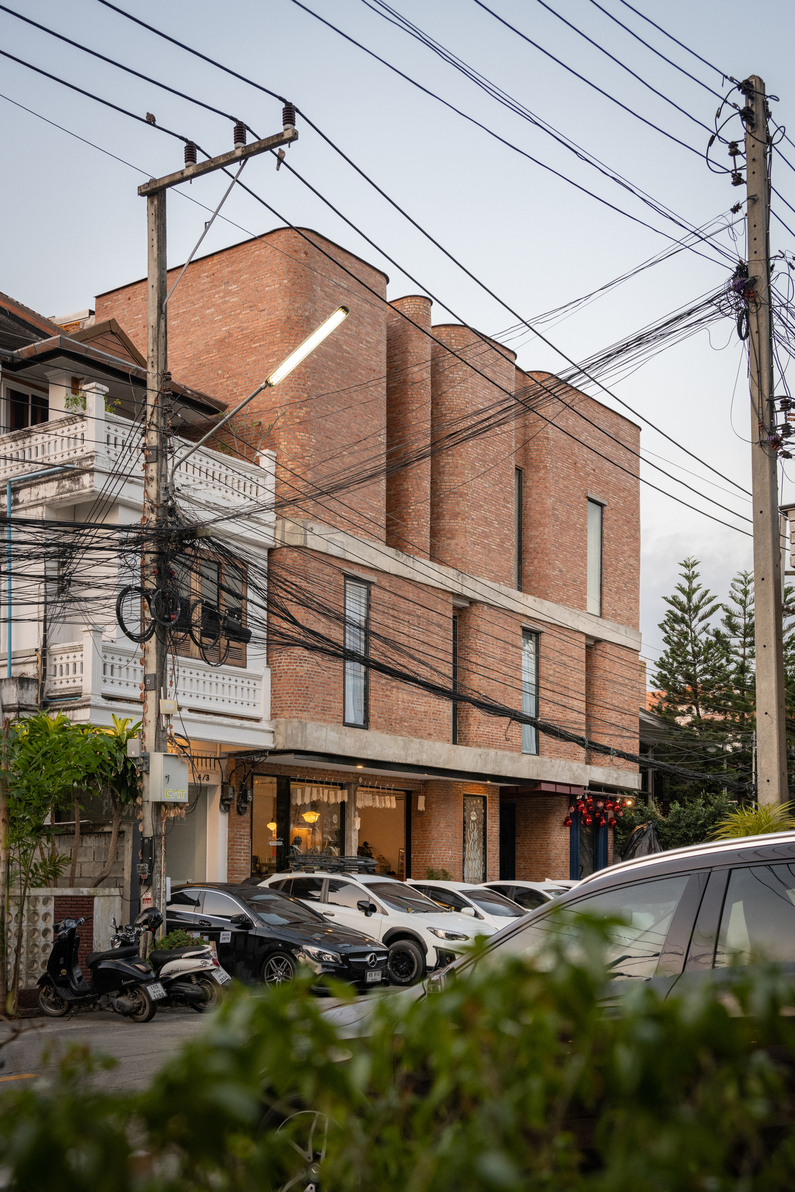
EKAR approached the project by questioning this trajectory. “Why can’t we remain ourselves?” said Ekaphap. “Instead of adapting to changing culture, we asked how we might bring back the atmosphere that originally belonged to this place.” 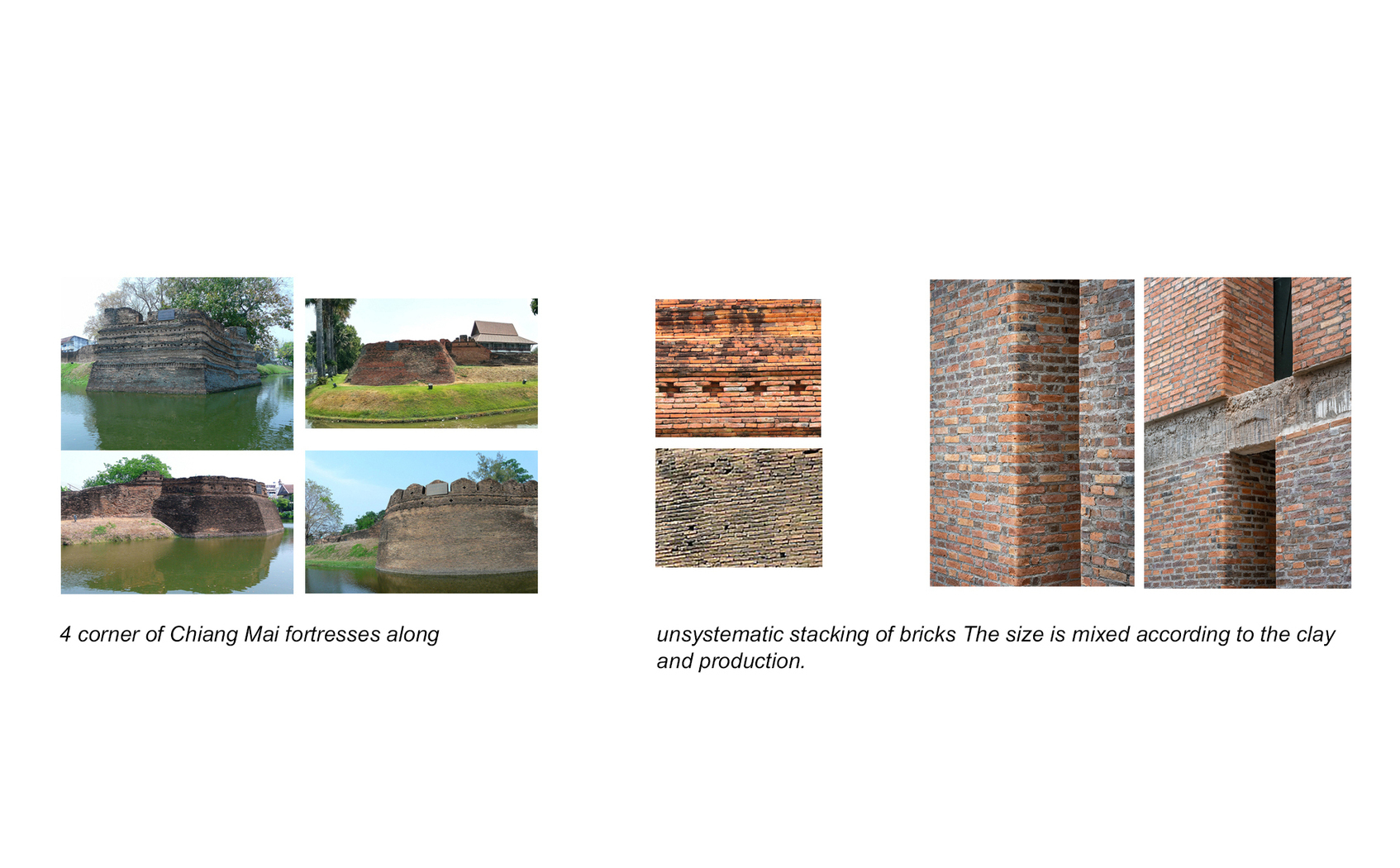
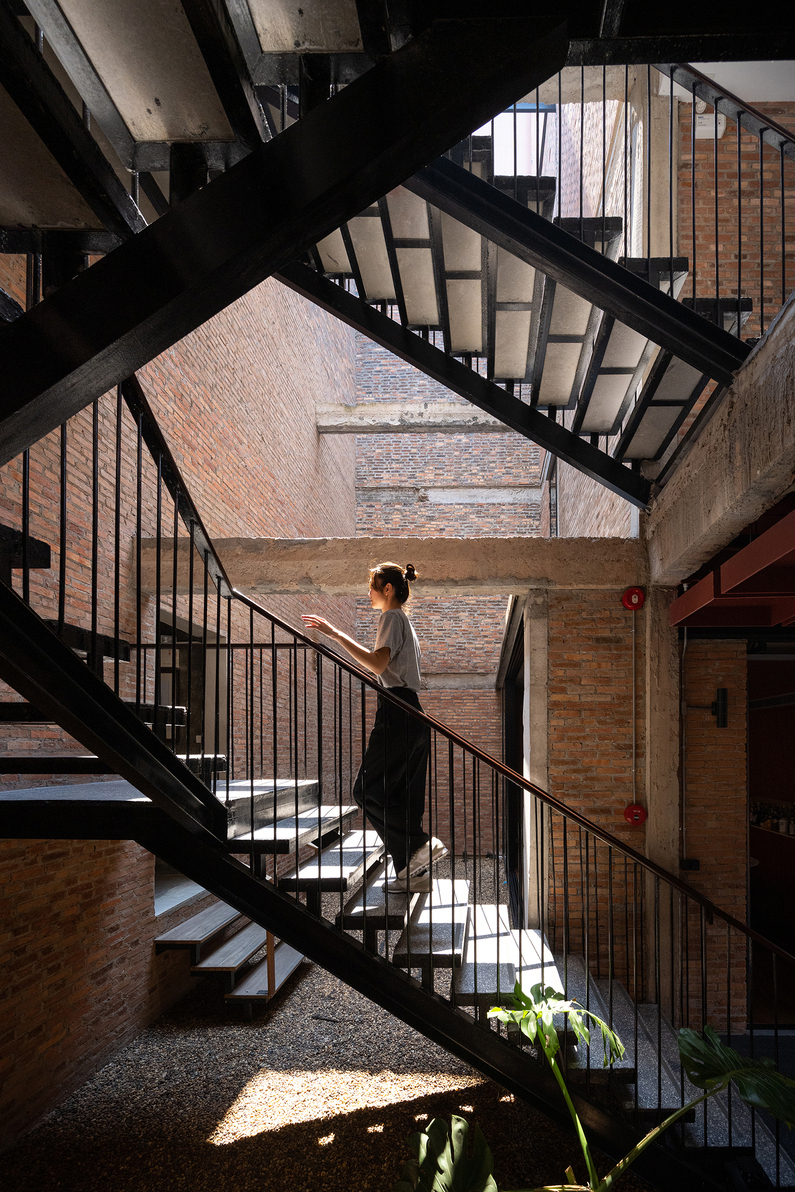
The three-storey hotel sits along Nimmanhaemin Road like a soft mountain range, referencing the meaning of “Salya” as a mountain in Thai, while its brick façade recalls the historic walls of Chiang Mai’s old city. Openings of the stairwell are oriented towards Doi Suthep, the city’s sacred mountain, allowing views of the mountain to become part of the spatial experience. An open courtyard further reinforces a sense of calm, creating a quiet interior environment despite the surrounding urban density.
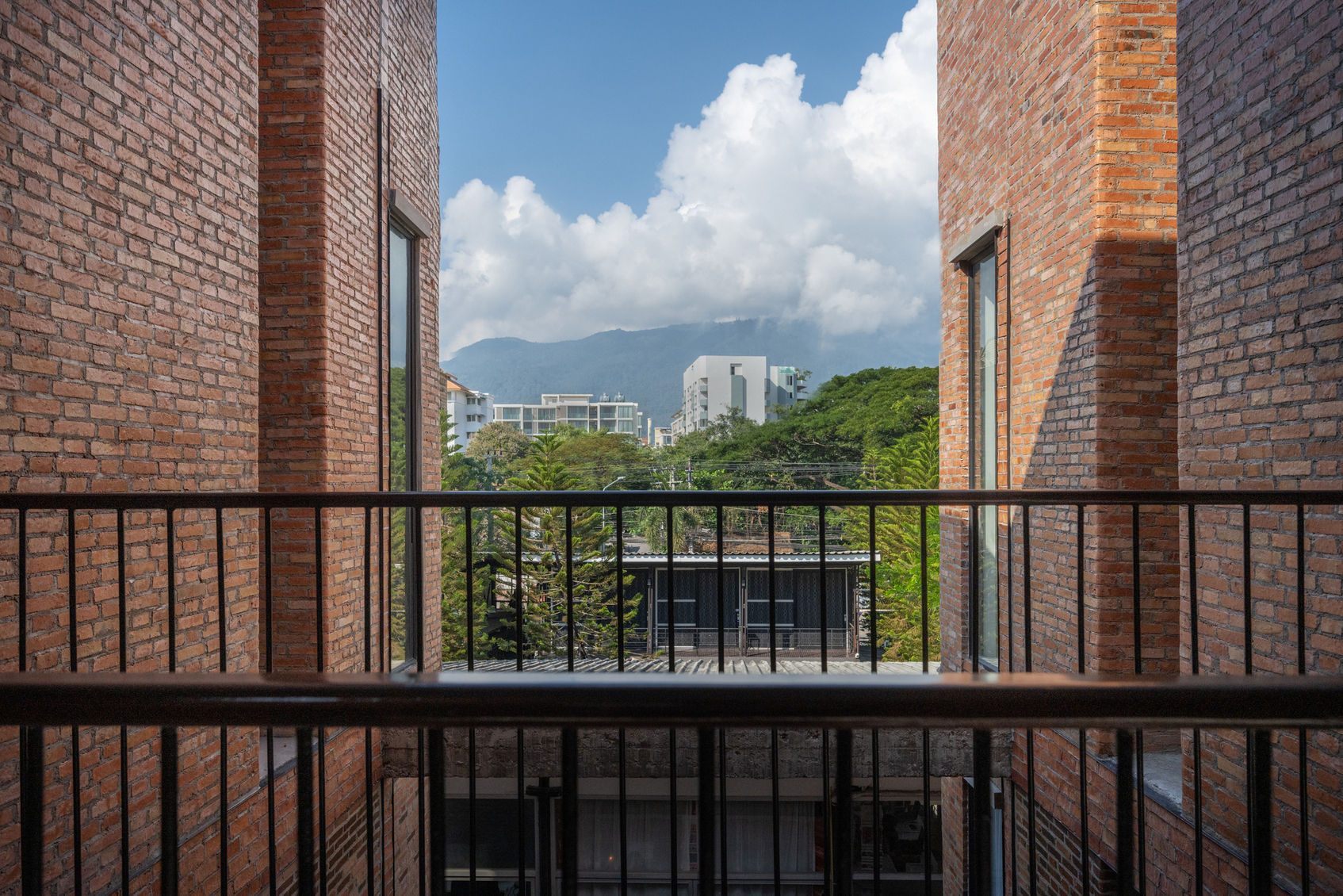
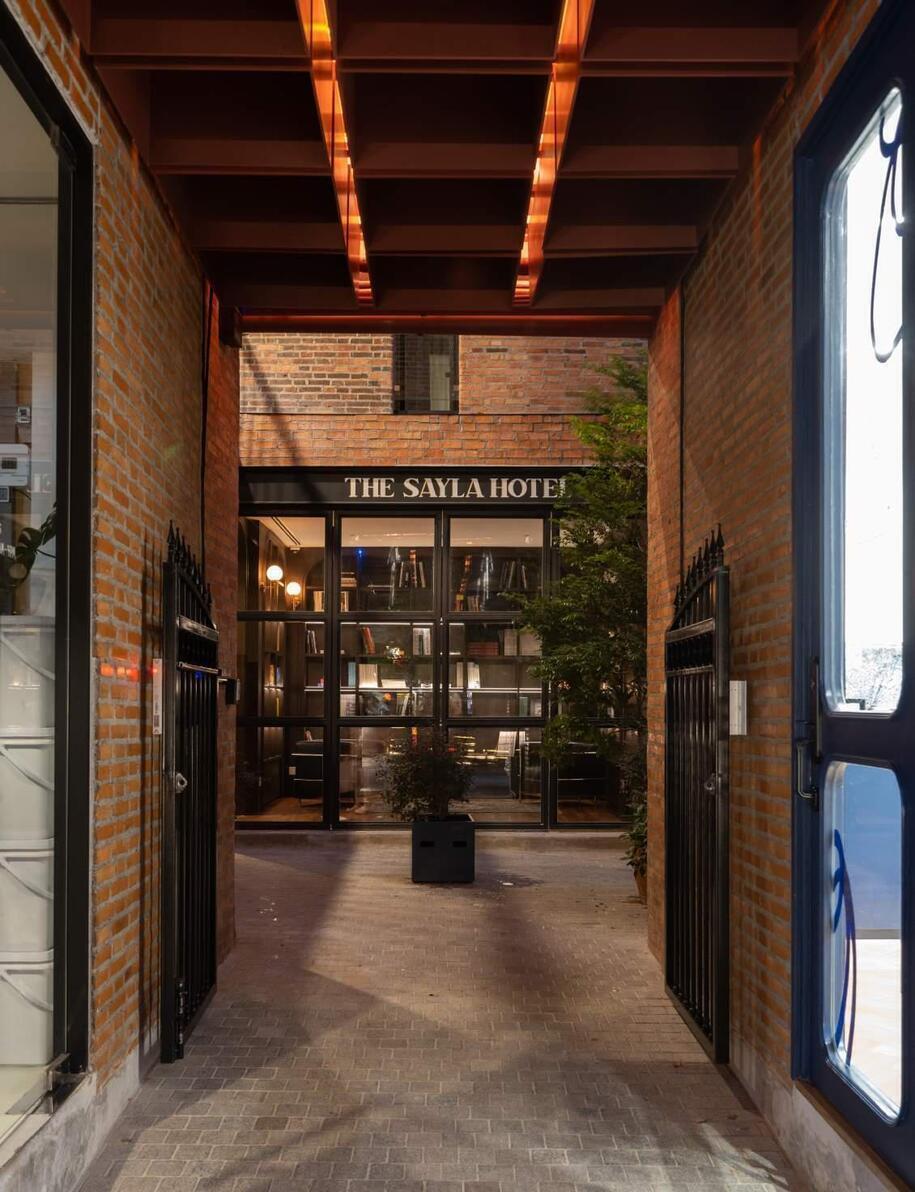
Notably, there are no obvious Lanna decorative references or recognizable local patterns connected to traditional Chiang Mai architecture. “We might say we used bricks or referenced the city walls, but that’s just a way to explain it,” Ekaphap said. “In the end, what we call ‘Chiang Mai-ness’ isn’t about patterns or ornaments. It’s about what you feel when you’re there.” For the architect, this is expressed through sensory qualities, like the direction of light, the movement of air, and the stillness of space.
“I’m drawing from my own experience of growing up in this lifestyle and context,” he explained. “Rather than preserving ‘Chiang Mai culture’ as an image, what I want to preserve is a feeling – an atmosphere. And deeper than that, a sense of local spirit.”
Through this approach, the Salya Hotel aims to allow visitors to rediscover the city’s original character: slow, quiet, and oriented toward the sacred mountains.
Ekaphap further sees the project as a prototype for the district. “I hope people can come to appreciate the original way of life here,” he said. “If the pace of the neighbourhood slows down, there’s a chance that the original Chiang Mai’s lifestyle and culture will return.” In this way, the Salya Hotel demonstrate its own distinct charm.
Pusayapuri Hotel, Suphan Buri: Reconstructing Identity from Absence
In contrast to Chiang Mai’s rapid transformation, U Thong in Suphan Buri Province represents a different story, one of historical absence.
Believed by locals to be one of Thailand’s earliest cities, like Ayutthaya and Sukhothai, U Thong lacks visible architectural remains due to destruction caused by war and earthquakes. What remains are fragments: the bases of pagodas, scattered stones, and empty land.
“When I first visited the site, l saw nothing but open fields and broken bricks,” Ekaphap recalled. “There was only a sign saying this used to be a large pagoda hundreds of years ago.”
Despite this, the sense of local pride among residents is strong. Residents have even raised funds to build a museum for preserving oral histories passed down through generations.
For EKAR, this became the starting point of the project. Rather than nostalgically reconstructing something that no longer exists, the project would transform what remains into a new symbol of pride.
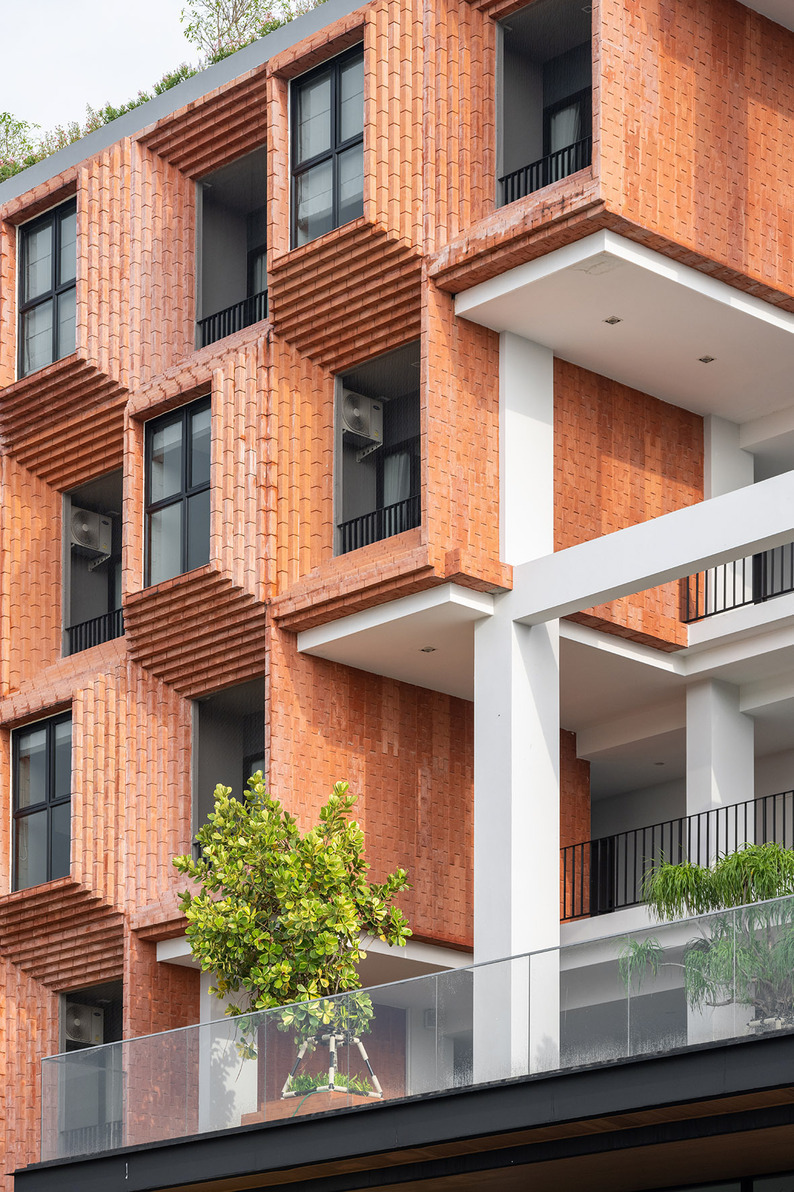
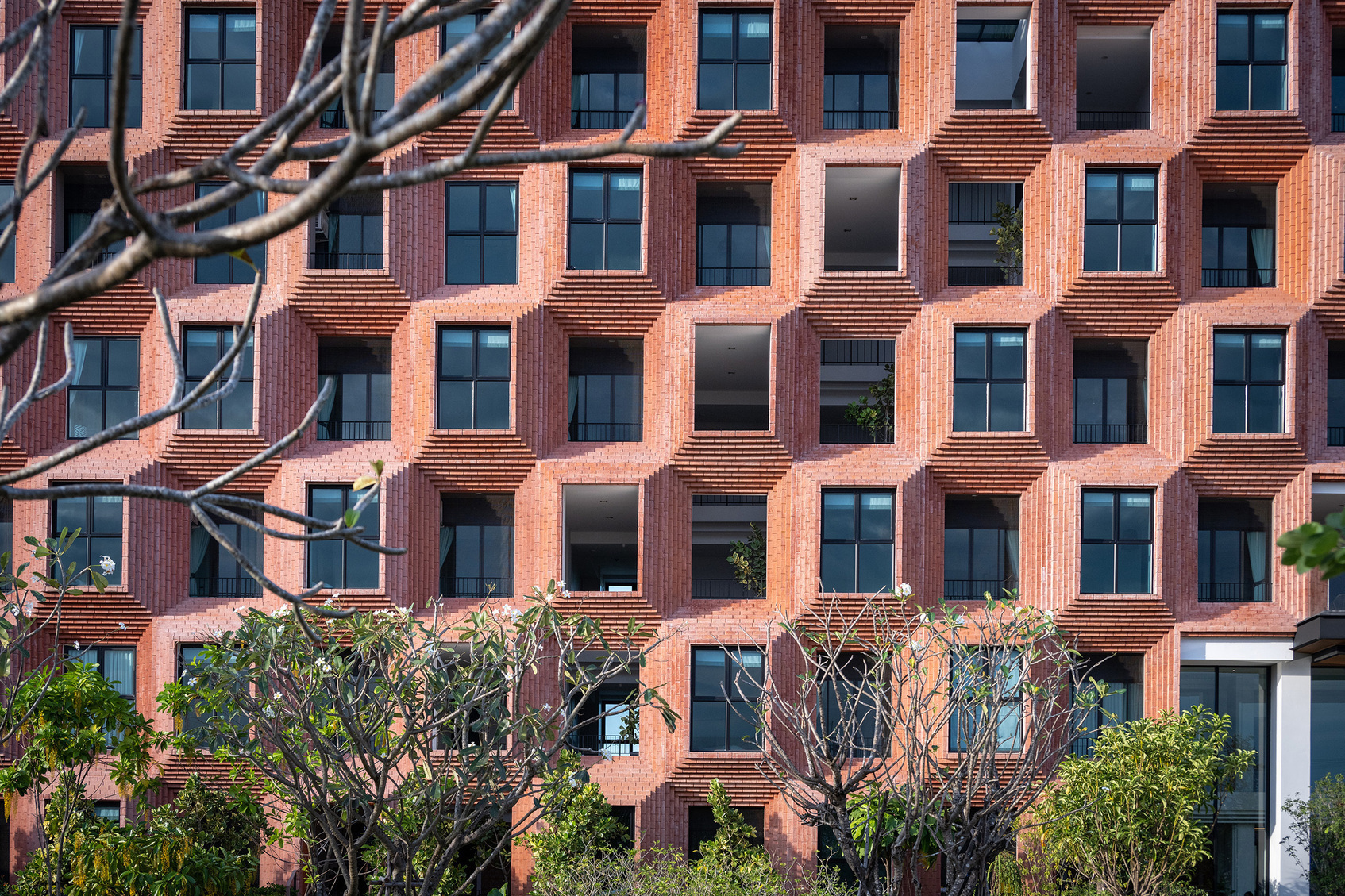
The façade of Pusayapuri Hotel translates the geometry of pagoda bases into a contemporary architectural module. The protruding and recessed forms provide shading while extending interior space through bay windows. Modern construction techniques are used to reinterpret the materiality of ruins, creating a dialogue between past and present.
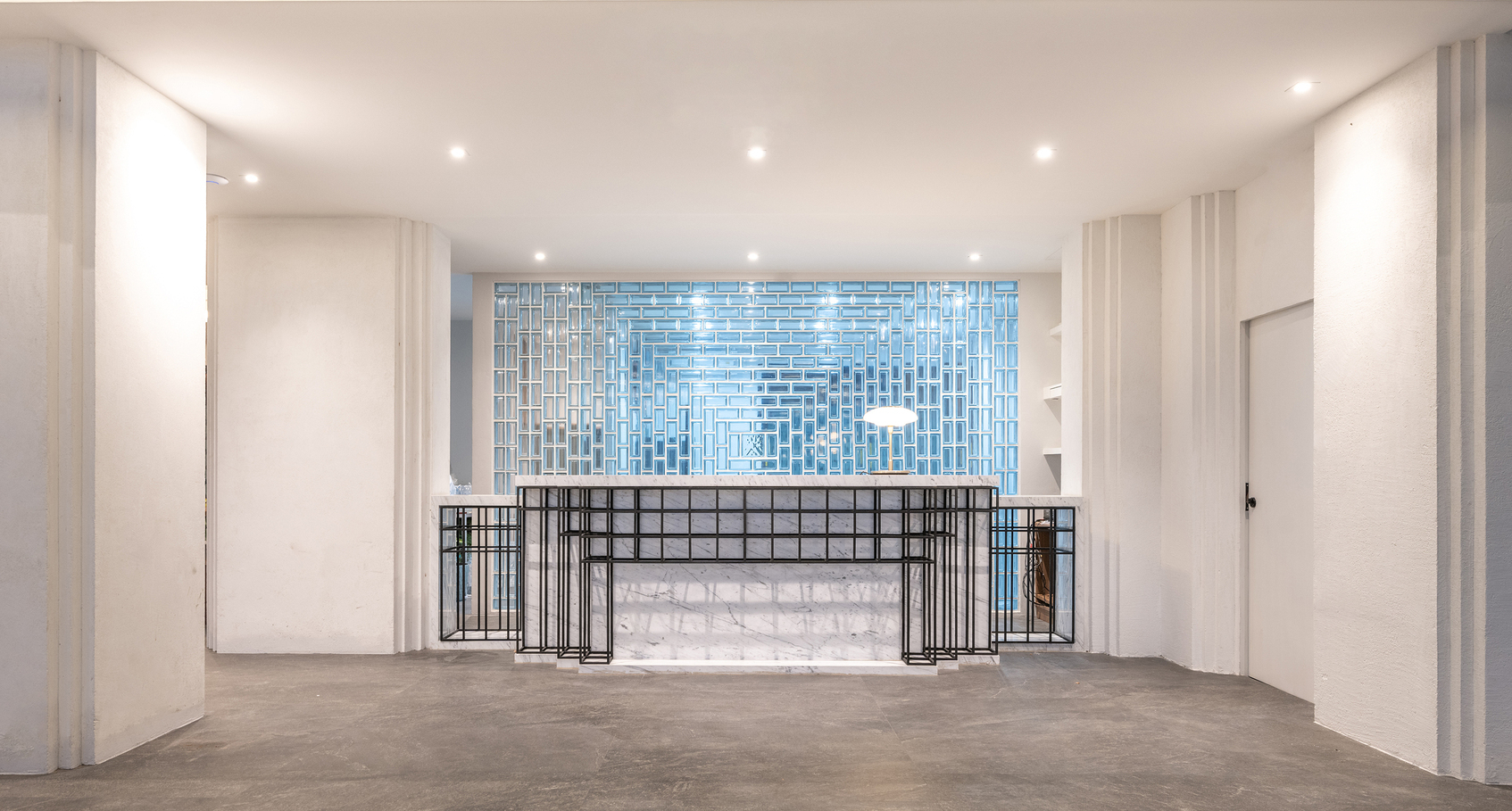
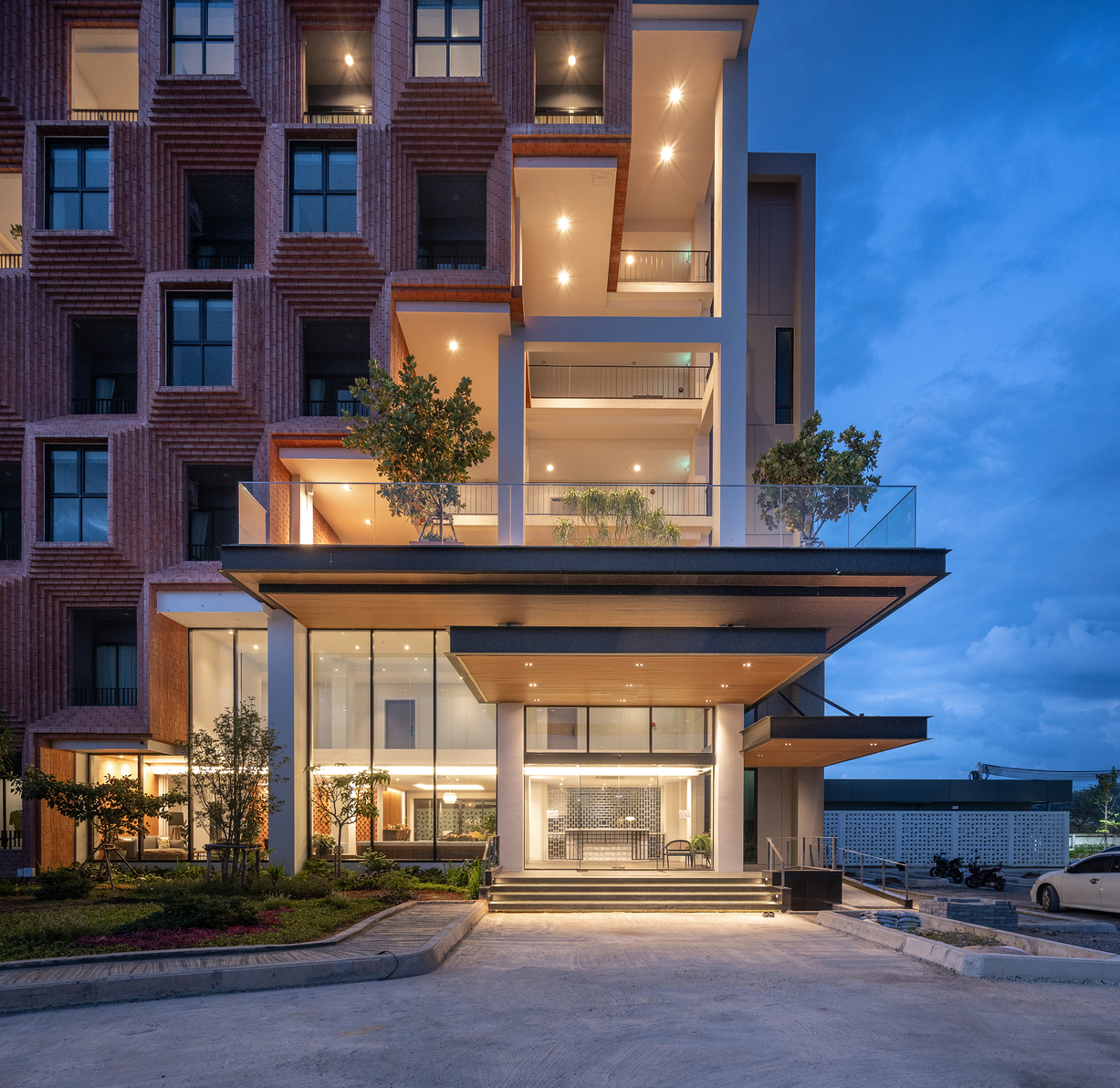
Located along the main road into U Thong, Pusayapuri Hotel is the first major structure visitors encounter upon arrival.
EKAR attempted to build a new point of identity. “To focus on what exists now, and create history from that.” Ekaphap explains. In this sense, the hotel acts as a new gateway, both welcoming outsiders and marking a new beginning for a place whose history has largely disappeared.
When Architecture Returns to Life, “Thainess” Emerge Naturally
Across both projects, EKAR avoids assigning fixed cultural labels. Instead, the studio works with what exists, both in terms of site condition and personal experience.
Ekaphap suggested a shift in mindset, “We should stop asking whether something is ‘Thai enough’. If you are true to yourself, both your own essence and Thailand’s will reveal themselves.”
For EKAR, architecture begins with lived reality. In doing so, “Thainess” and local identity appear not through symbols, but through space, atmosphere, and everyday experience.
—————
Interview & Text: Ellen Wang (Wang, Hsien-Tzu)
Images: EKAR Architects
This article is also published on MOT TIMES, a media partner of the Golden Pin Design Award.


