2026 Golden Pin Salon Kaohsiung Highlights: From Award-Winning Works to Jury Perspectives, Re-visiting the Essence of Design Practice
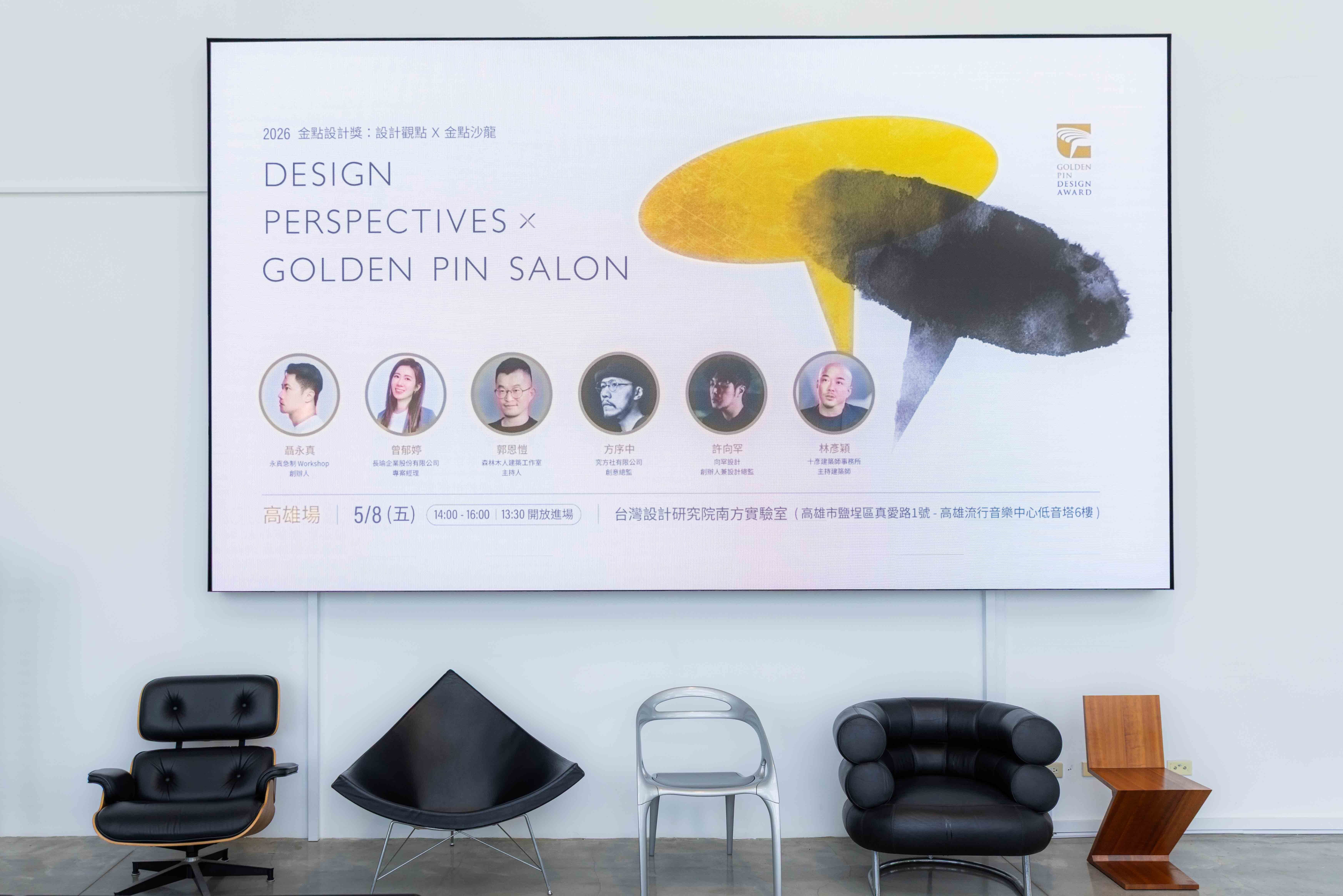
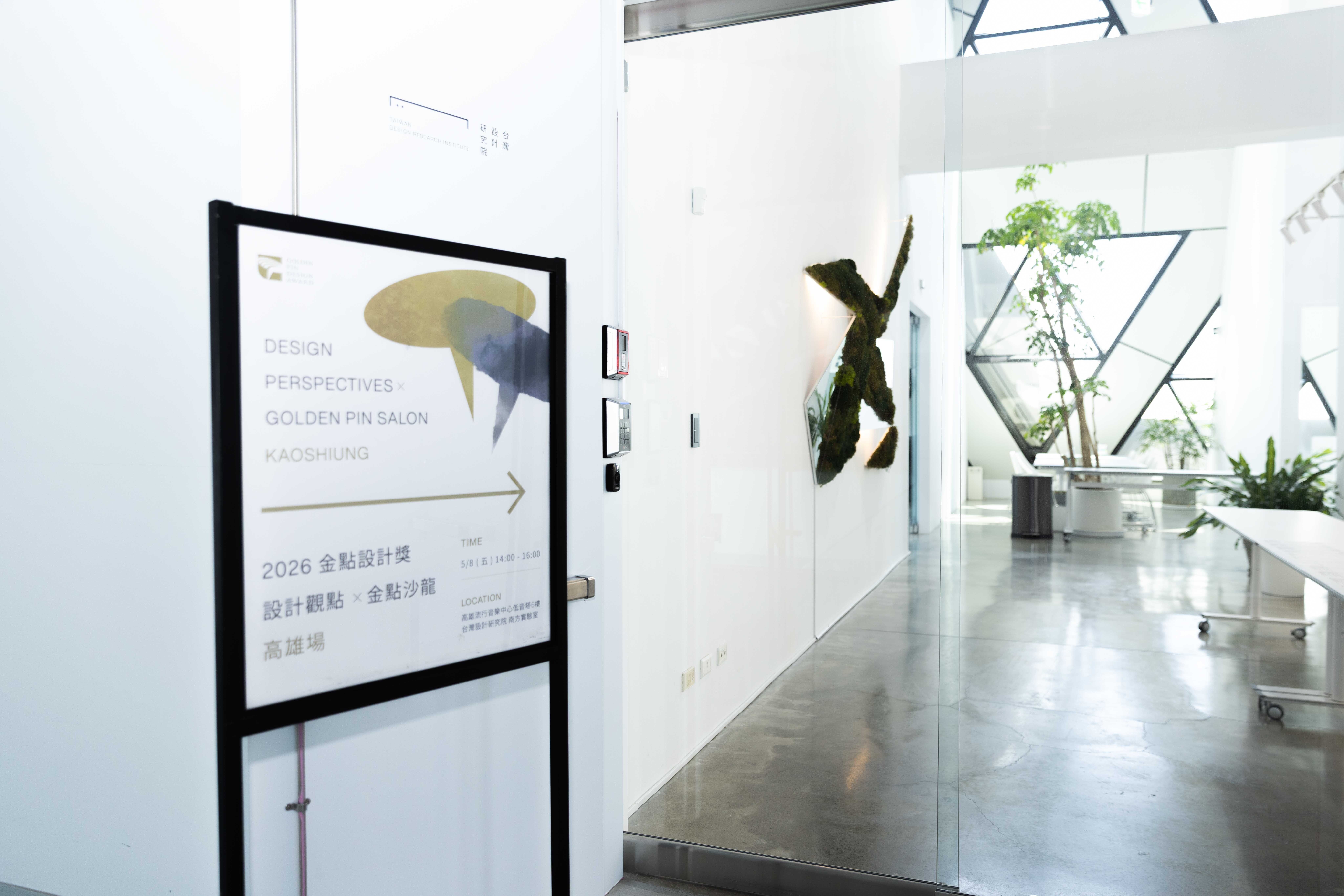
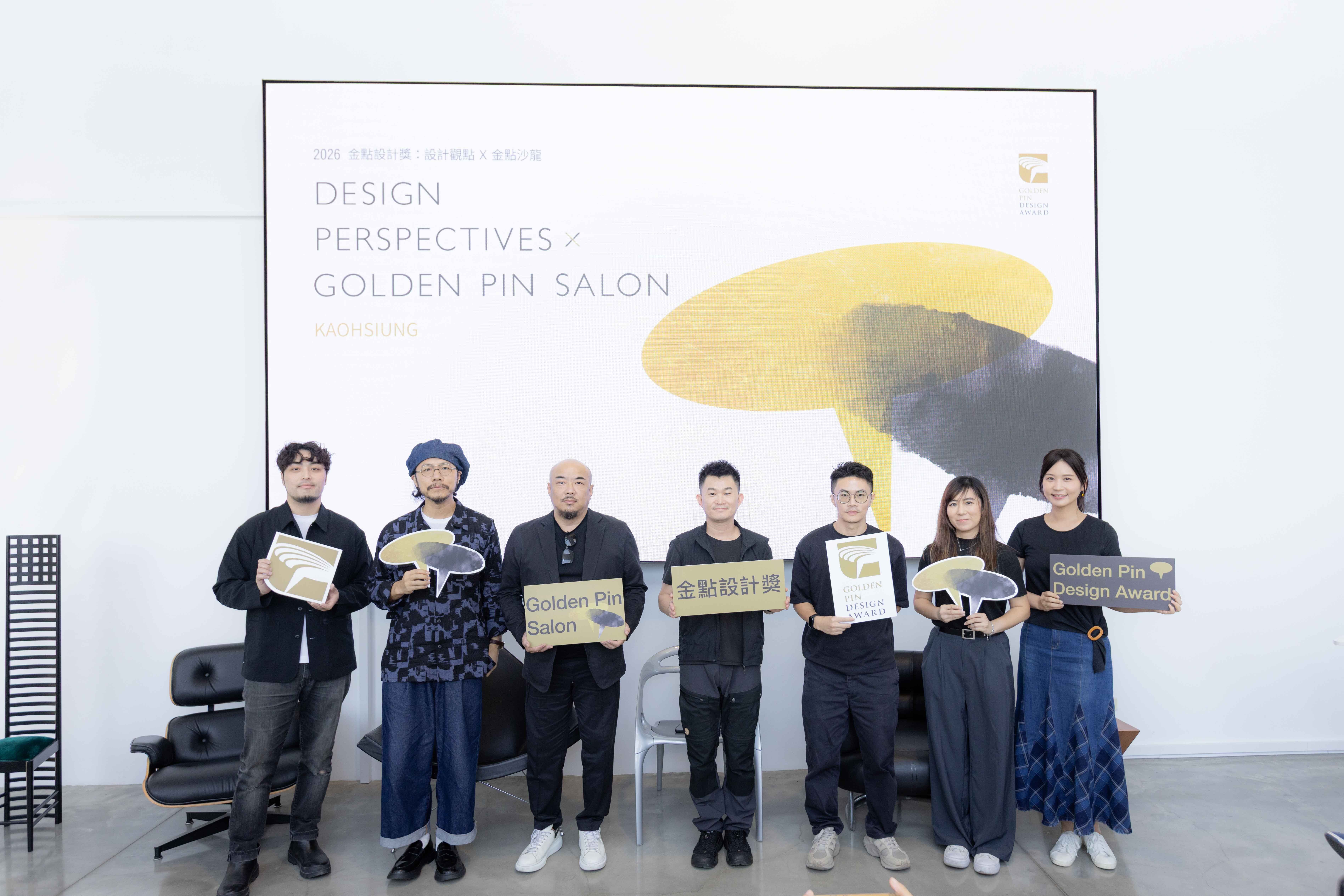
The 2026 Asia tour of the Golden Pin Design Award’s "Design Perspectives × Golden Pin Salon," following vibrant exchanges in Shanghai, Shenzhen, Seoul, and Bangkok, concluded on May 8 in the port city of Kaohsiung, bringing this year’s design dialogues to a successful close.
This salon brought together "Best of Golden Pin Design Award" winners and esteemed jury representatives on the same stage. Within a relaxed and warm atmosphere, they shared the compelling stories of compromise, perseverance, and subsequent resonance behind their award-winning works.
The first half of the event opened with three "Best of Golden Pin Design Award" winners—renowned designer Aaron Nieh, Tsang Yu Industrial Co., Ltd. Project Manager Yu-Ting Tseng, and the Founder of Forest-Wood Archi-Tect NK Kuo—unpacked the design journeys behind their winning creations.
The second half featured three veteran jurors: Joe Fang, Creative Director of JOEFANG STUDIO; Hsu Hsiang-han, Founder of Hsiang Han Design; and Yen-Ying Lin, Lead Architect of YEN Partnership Architects. Speaking from an evaluative standpoint, they offered invaluable observations and advice, sparking highly enthusiastic exchanges with the audience.
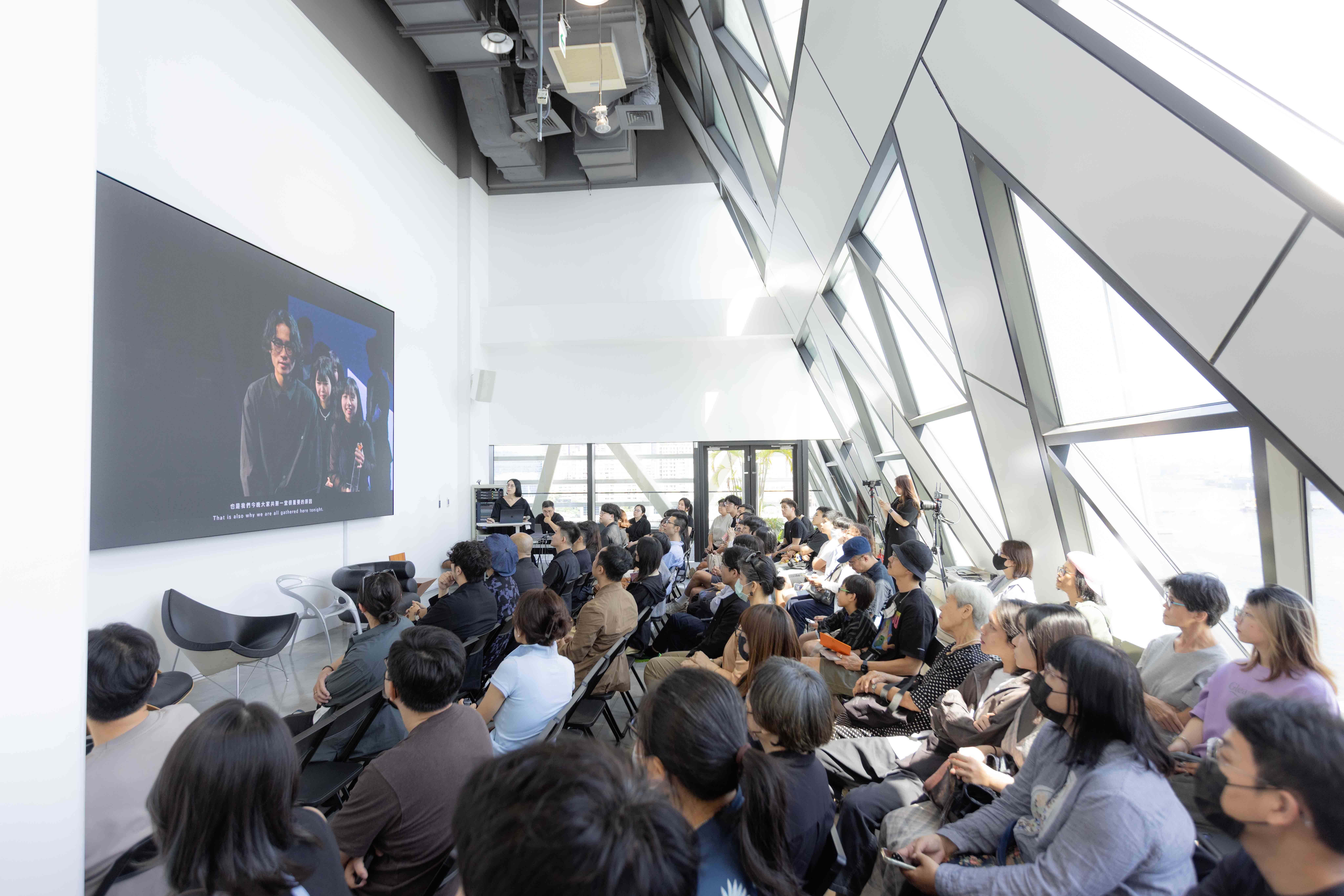
Aaron Nieh: Minimalism Is a Stance
The Kaohsiung salon kicked off with Aaron Nieh, who shared the behind-the-scenes journey of "Visual Identity for the Taichung Green Museumbrary," which won the Best of Golden Pin Design Award last year. Facing this new type of venue—a co-constructed hybrid of a museum and a library—the Aaron Nieh Workshop team began their initial ideation by analyzing the geographical and urban context, while researching and untangling the visual identity lineages of numerous public sector developments in Taichung. Ultimately, they chose to depart from the common approach of using the Chinese character "中" (Taichung) as an image. Instead, they focused on the architectural form itself, drawing inspiration from spatial design characteristics such as vertical penetration, interconnection, partial curves, bifurcations, and loops.
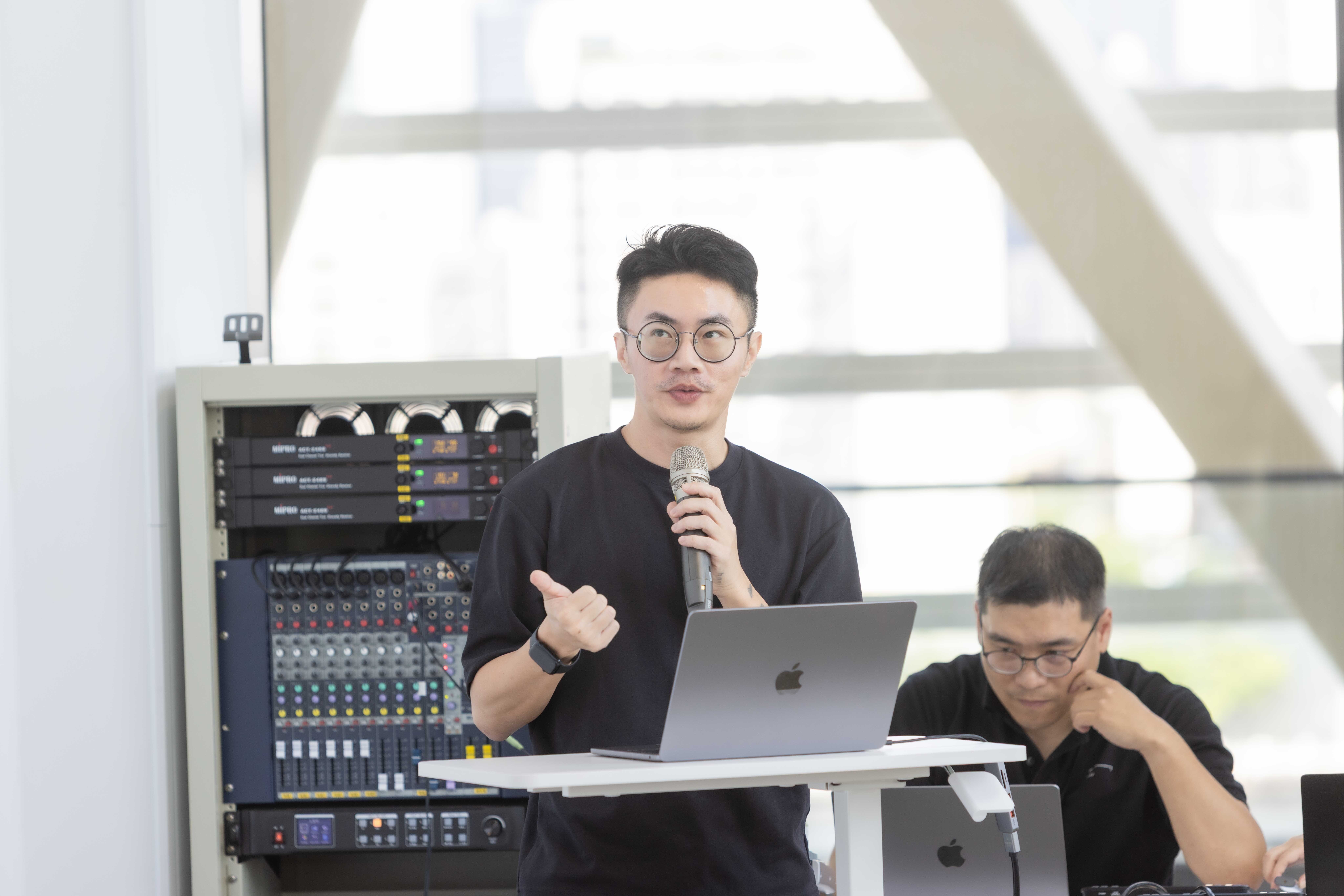
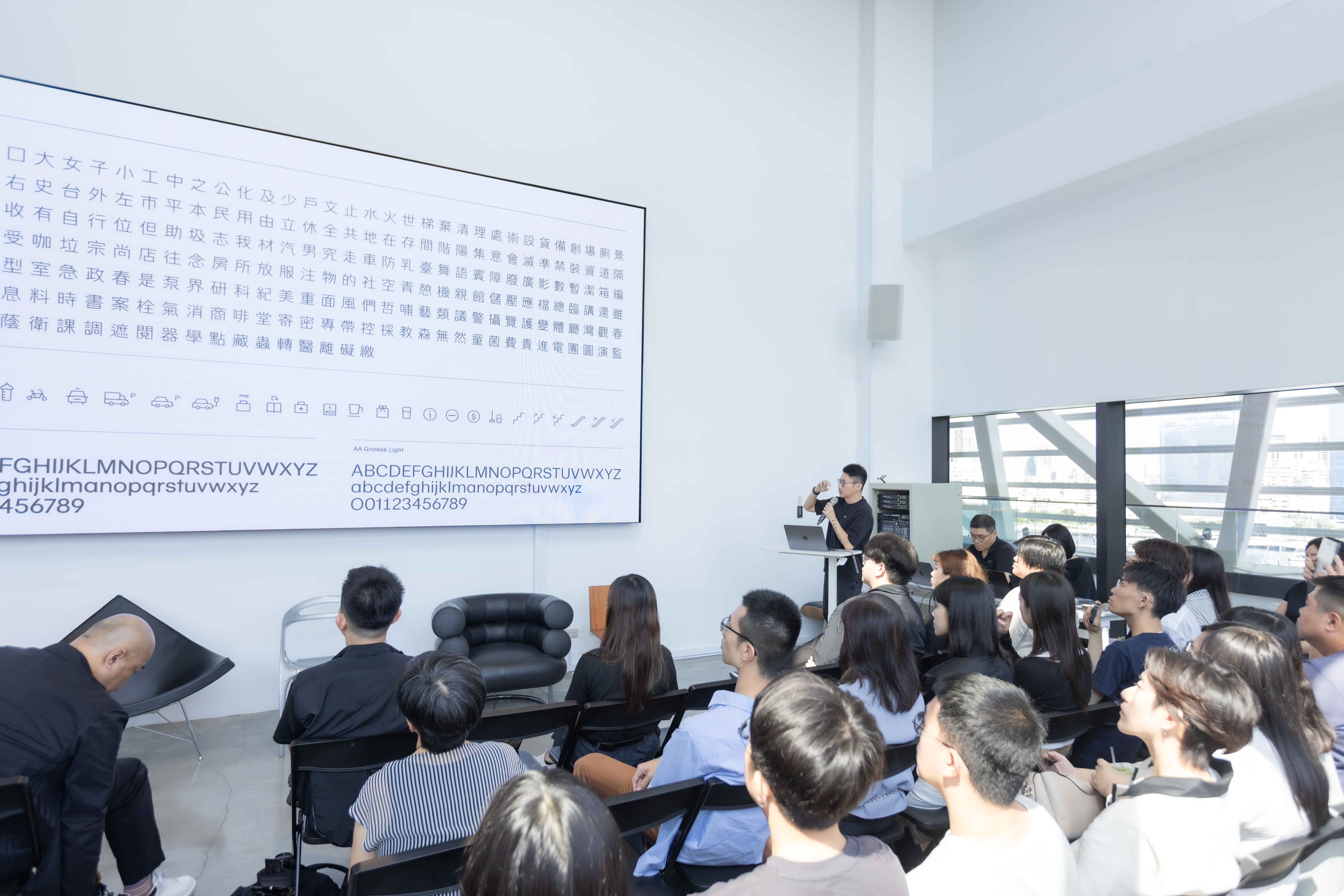
Next, they established their design principles: the identity had to be unique enough to leave a lasting impression, yet simple enough to be easily applied across various media and platforms. Upon entering the detailed design phase, the team continuously explored whether they could find a shared element to strengthen the overall cohesion. This process ultimately distilled a concept composed primarily of two lines, which served as the foundational rule for the entire visual identity development. Regarding the color palette, since the building itself features no redundant colors—elegantly refusing to compete with the lush greenery of the surrounding Central Park—they deliberately set the identity to be low-key and neutral in expression.
This so-called "minimalist stance" is not merely an aesthetic of simplicity; it is thoroughly implemented in the meticulous details and long-term considerations for operational reality. For instance, behind this minimalist structure lies exceptionally intricate craftsmanship. Take the logotype as an example: the seemingly simple character "中" underwent countless micro-adjustments to find the perfect vertical position and structural balance for its central box element. Furthermore, at the line terminals, standard rounded corners were rejected in favor of meticulously subtle filleting (beveling), ensuring the forms concluded in a more stable and refined manner.
Following the completion of the core identity, the team simultaneously developed a typographic and iconographic logic for future use in signage systems. Both the Chinese and English components were crafted under the same principles, paving the way for other teams to easily deepen and execute the applications in the future. With the most refined lines, this work beautifully exemplifies the practice of "what seems simple is actually the most complex."
Yu-Ting Tseng: "Only Kids Make Choices"? Precise Trade-Offs Within Real-World Constraints
Next up was Yu-Ting Tseng, Project Manager of Tsang Yu Industrial Co., Ltd., shared the development story behind the "Merrylock MK6070 Household Air-threading Combo Sewing Machine," last year’s Best of Golden Pin Design Award winner in the Product Design category. With a Master’s degree in Industrial Design from Italy and extensive experience in transnational product development, Tseng excels at driving innovation to fruition through design thinking. She believes that product design is not about blindly adding more features, but rather a process of making precise choices under real-world constraints such as budget, time, and clients’ expectations.

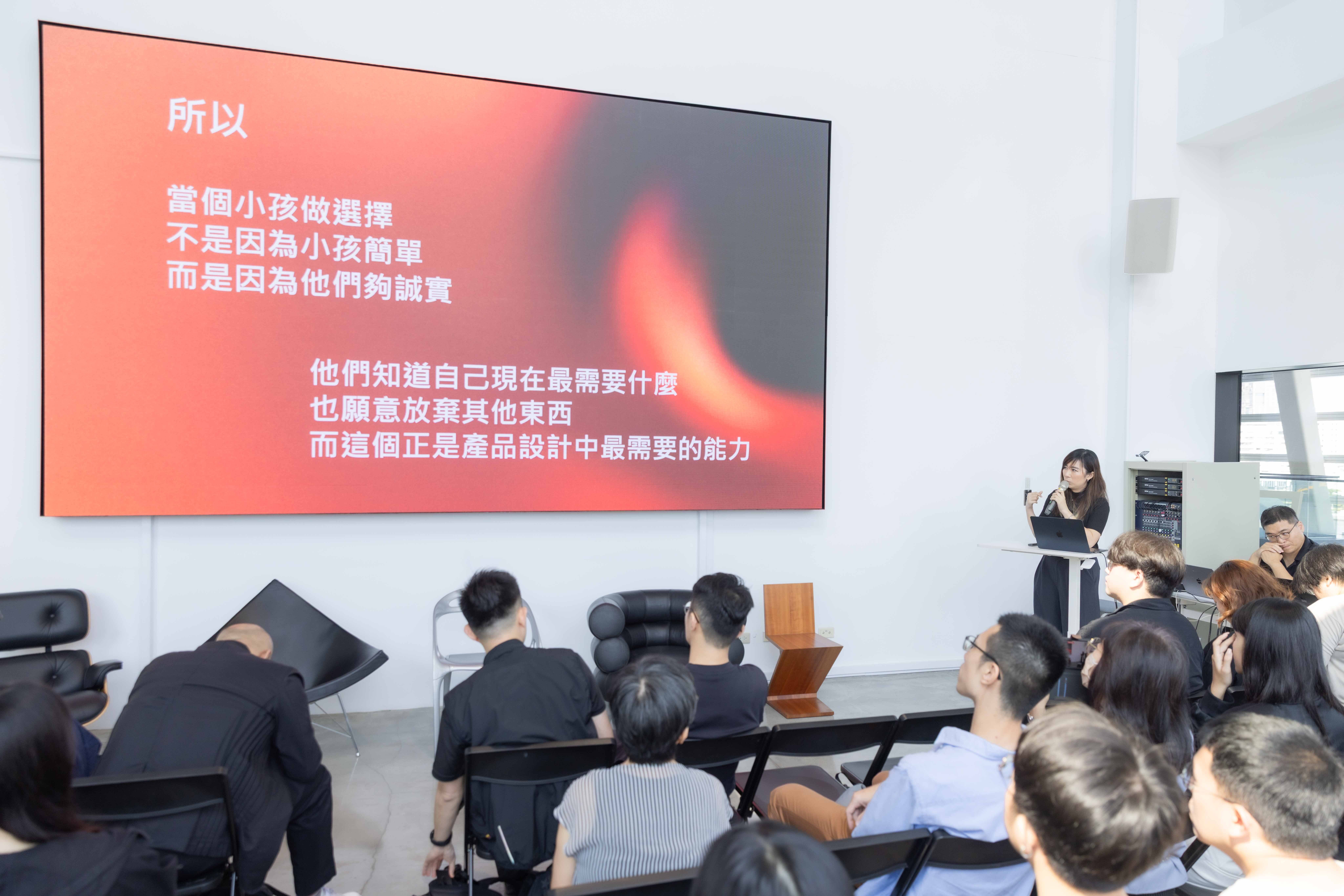
"Product design isn't just about asking 'what do I want this thing to do.' It is a continuous process of trade-offs: deciding what we will do, and what we will not do." To improve the user experience, the team applied the "80/20 Rule" to conduct a rigorous pain-point analysis and discovered that users were getting stuck at the very first step—up to 80% of beginners gave up on using overlock machines due to the initial hurdle of "threading difficulties." The internal mechanism of a traditional overlock machine (serger) is far more complex than that of a standard sewing machine, with threading tracks deeply hidden inside the chassis, which severely tests the user's eyesight and experience.
To solve this, through extensive mechanical design, manufacturing process evaluations, and countless rigorous tests, the team successfully developed an intuitive "automatic air threading" mechanism. Users simply place the thread end into the threading port and press a button; a jet of air then automatically carries the thread through the complex internal pathway. Through this case study, Tseng analyzed the underlying logic of thinking within real-world constraints, demonstrating how to simplify complex professional technology, while fully proving that even traditional small and medium-sized enterprises (SMEs) can leverage design thinking to create innovative products that showcase exceptional quality on the global stage.
NK Kuo: Stepping into the Forest, Thinking About Architecture with Both Hands
Following closely was NK Kuo, a natural architecture practitioner and the Founder of Forest-Wood Archi-Tect, who has been honored three times with the Best of Golden Pin Design Award. A graduate of the Architectural Association School of Architecture (AA) in the UK, Kuo was deeply influenced by the practical training of "learning by doing." He firmly insists on being both the designer and the maker. Since returning to Taiwan, he has upheld a craftsman’s spirit of "focusing on just one project per year," treating the forestry resources of Taiwan’s sustainable forests as his creative nourishment to embark on a profound experiment in contemporary natural construction.
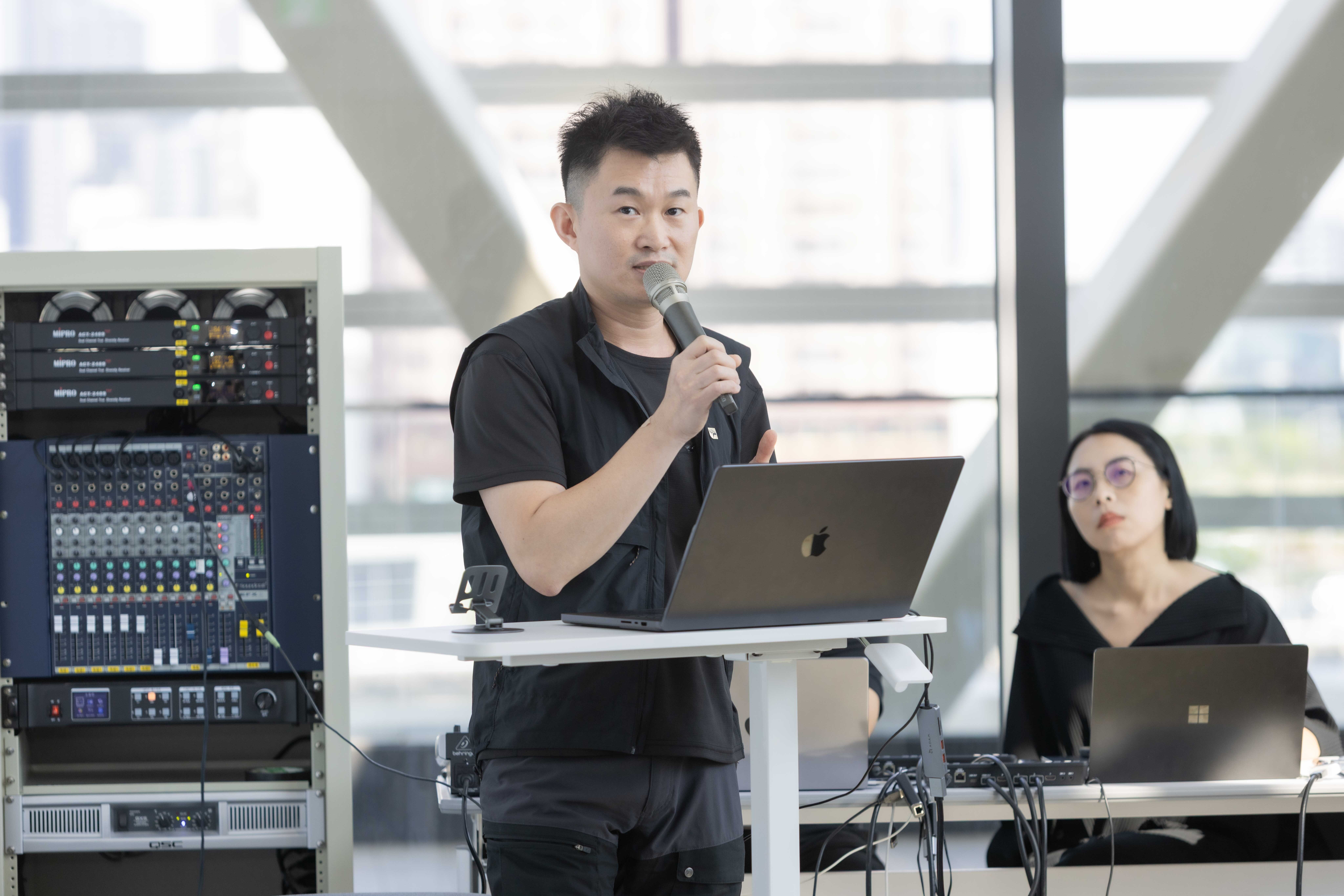
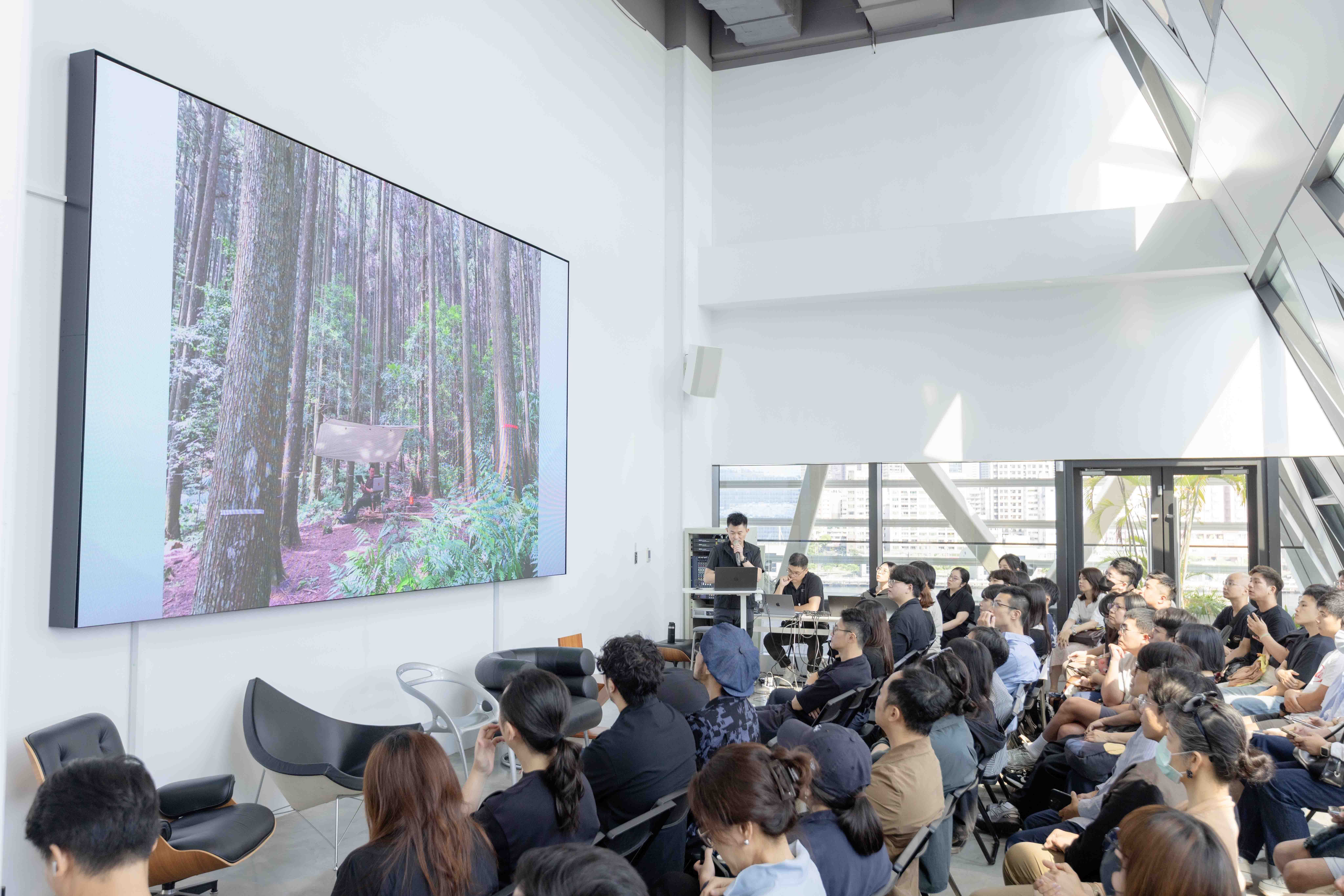
Reviewing his creative trajectory, in 2020, Kuo combined Taiwanese Cryptomeria with high-temperature steam-bending wood technology to craft a unique bar counter space for the restaurant EMBERS, reifying the concept of a "forest nest" and initiating a deep dialogue with Taiwan’s new culinary culture. Subsequently, he brought this methodology into the "Maker Space at Popop Taipei," opening up the realization of natural material and craftsmanship within public spaces. In recent years, he has further extended his creative reach to bamboo structures; in 2024, his bamboo work "Bridge Cocoon" once again clinched the Best of Golden Pin Design Award, continuously expanding the innovative boundaries of natural architecture.
From steam-bent wood installations landing in the city, to spending 150 days entirely alone in the Wufeng Forest, adapting to the topography to build the semi-outdoor "Forest-Tree Classroom," Kuo has consistently reflected on modern architectural production methods and how people can re-learn to coexist and study alongside forest resources. He expressed emotionally that in a contemporary world chasing high efficiency, standardization, and where AI is even wildly popular, this "slow craftsmanship" seems to be sailing against the wind. Yet, he still chooses to slow down in a fast-paced era, using sincere handcrafting to realize architectural possibilities outside of standardization, continuously exploring a sustainable aesthetic where humans, the land, and natural resources coexist in harmony.
Jury Insights: Breaking Away from Conformist Trends, Focusing on the Essence of Design
In the second half of the salon, three esteemed jurors shared their professional perspectives derived from their respective fields. Addressing common blind spots in award submissions, Joe Fang, who frequently serves as a juror across various fields, observed that jury panels can easily spot entries designed purely to "pander to current trends for the sake of winning" right from the first round. He emphasized that design should never be about replicating existing styles that seem to win awards easily. Instead, it must return to an observation of the environment, clarifying what problems have been discovered, proposing clear solutions, and injecting a valuable viewpoint. Fang advised creators to try and "slow down" to identify and refine problems from the smallest details, noting that such subtle observation often generates immense energy. Returning to the work itself, he also believes it should allow viewers to read into "why it was done this way" and "what was ultimately achieved," because "successful communication and information delivery are fundamentally part of design itself."
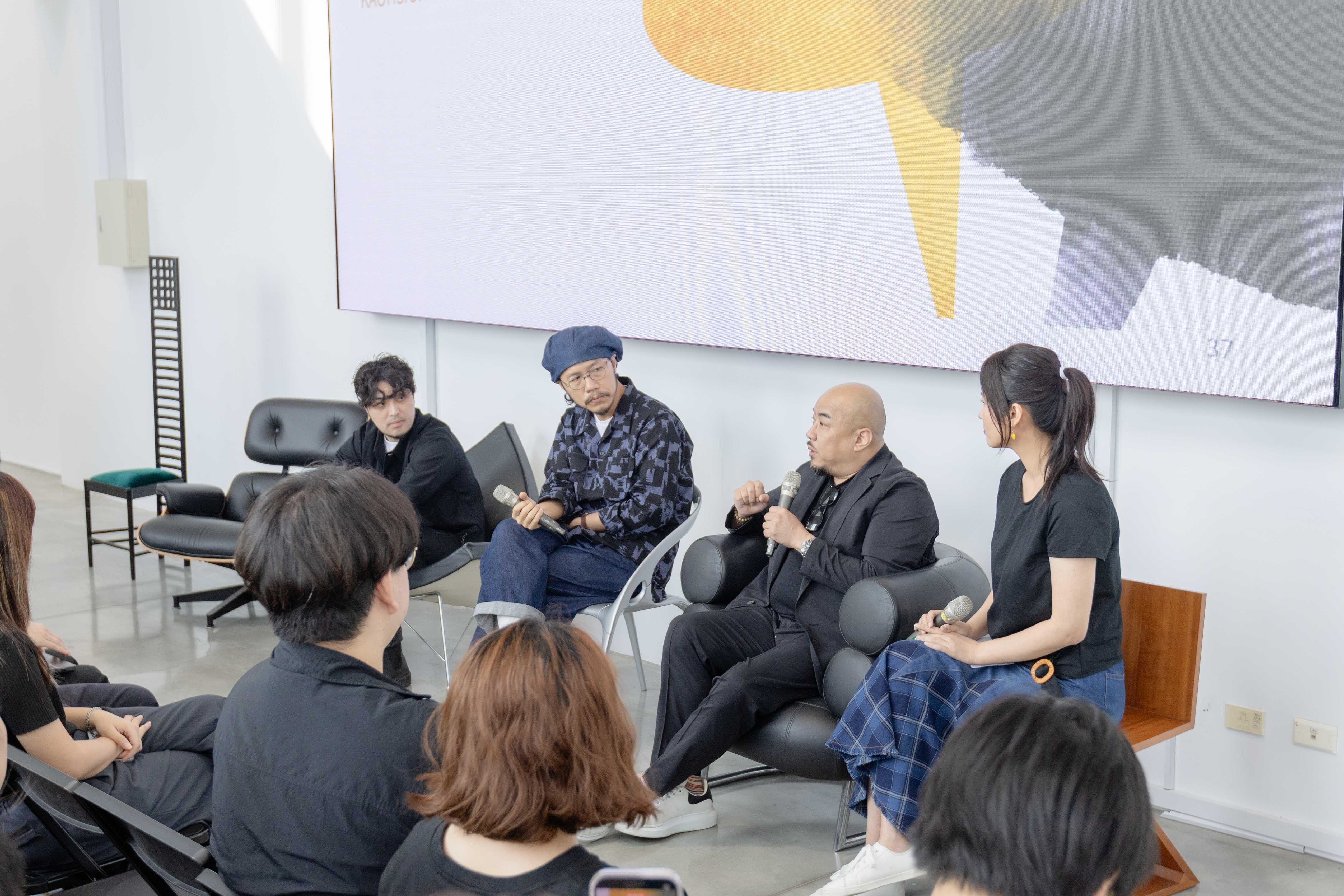
Drawing from the evaluation mechanisms of international awards, Yen-Ying Lin pointed out that regardless of the award, the final outcome is always the result of collective deliberations by the entire jury. In this process of critical debate, whether a work possesses originality and uniqueness becomes paramount. However, he admitted that in the field of spatial design, it is admittedly difficult in contemporary times to completely avoid the shadows of other projects. The crucial point lies in how to develop one's own distinctiveness within an existing spatial framework, rather than blindly following trends. To this end, he further posed a compelling question: "As a designer, is the living environment you shape meant to make everyone live exactly the same way? Or is it to allow people in different cities and environments to enjoy distinct, contextual details?"
With a background in industrial design, Hsu Hsiang-han noted that product design in this era is no longer judged as good or bad through a single lens. Designing a great product requires a holistic consideration from the very beginning—incorporating everything from market positioning and commercial strategy to subsequent marketing, exhibitions, and even award submissions.
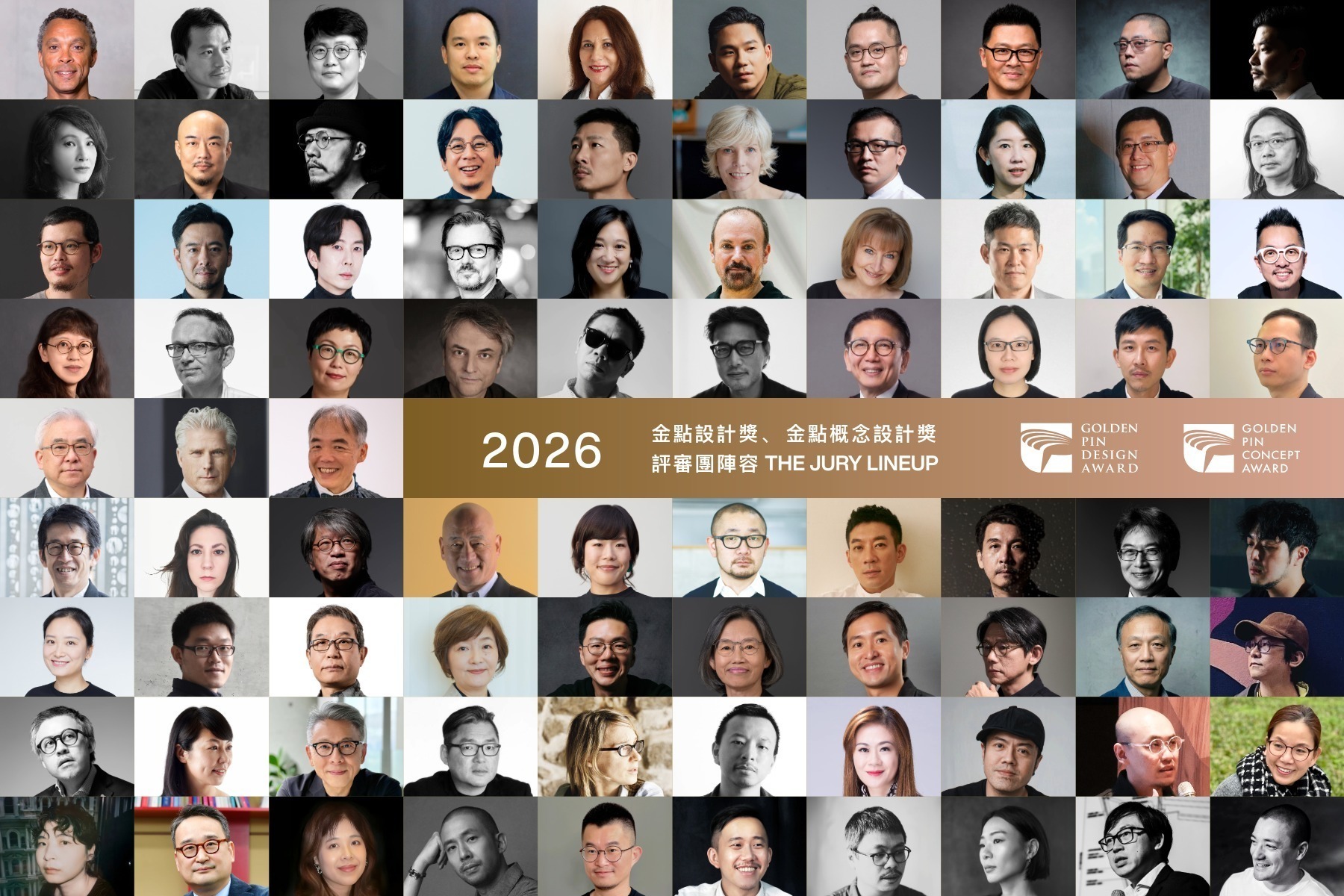
He specifically highlighted that the Golden Pin Design Award jury is composed of experts across diverse fields, including design, media, business strategy, and marketing, ensuring a multi-dimensional appraisal and comprehensive judgment. Drawing from his evaluation experience, Hsu pointed out a critical strategy: amidst the massive volume of competing entries during the preliminary round, a work must instantly communicate its core focus through a single sentence or a single objective. By the time it reaches the secondary and final selection rounds, where all entries are of comparable excellence, the jury begins to debate deeper dimensions. At this stage, the social, environmental, and commercial impact a work generates becomes the defining factor in whether it can successfully clinch the ultimate honor of the "Best Design of the Year."
The Effect of Winning: A Driving Force for Progress Within the System, Deep Encouragement for Niche Beliefs
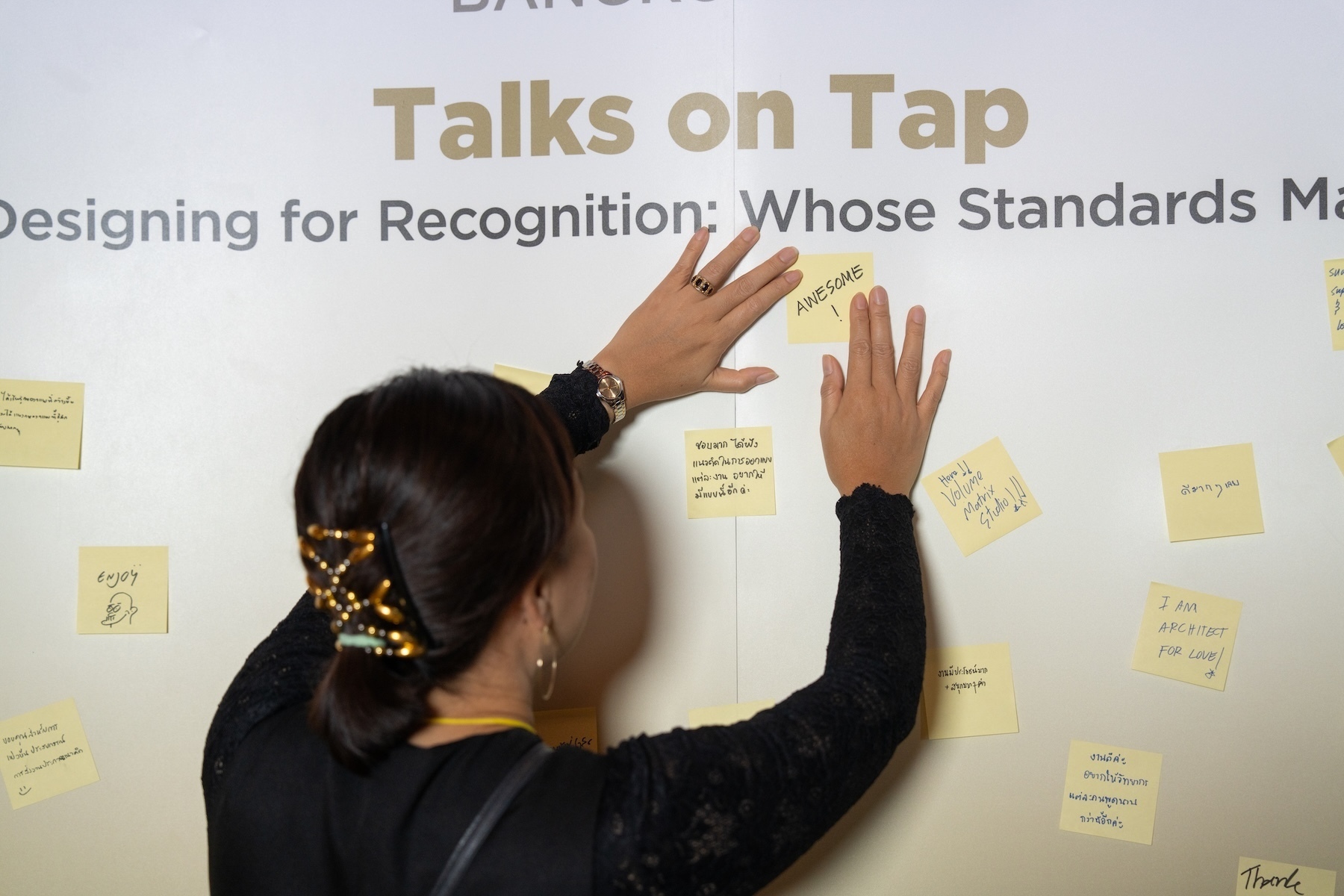
During the final Q&A session, addressing the pragmatic question of "whether winning an award shakes one's creative standards or affects professional mindset," the speakers shared the true significance of accolades in real-world practice. Yu-Ting Tseng noted that following their win last year, they discovered it not only boosted client inquiries but also facilitated communication between designers, upper management, and cross-functional departments—becoming a powerful catalyst for integrating design thinking into organizational decision-making.
For small studios and independent creators, an award serves as a profound source of internal encouragement. Aaron Nieh candidly admitted that while winning didn't bring drastic changes to daily business operations, he views the recognition as a way to prove back to clients who are willing to invest in design that "the initial perseverance was absolutely worth it." NK Kuo also expressed emotionally that an award amplifies highly niche artisan beliefs, allowing the general public to see the diverse possibilities within the architectural design spectrum. For independent practitioners in the early stages of entrepreneurship, this allows them to walk a more grounded and reassuring path while staying true to their philosophies.
2026 Golden Pin Design Award: Final Call for Entries
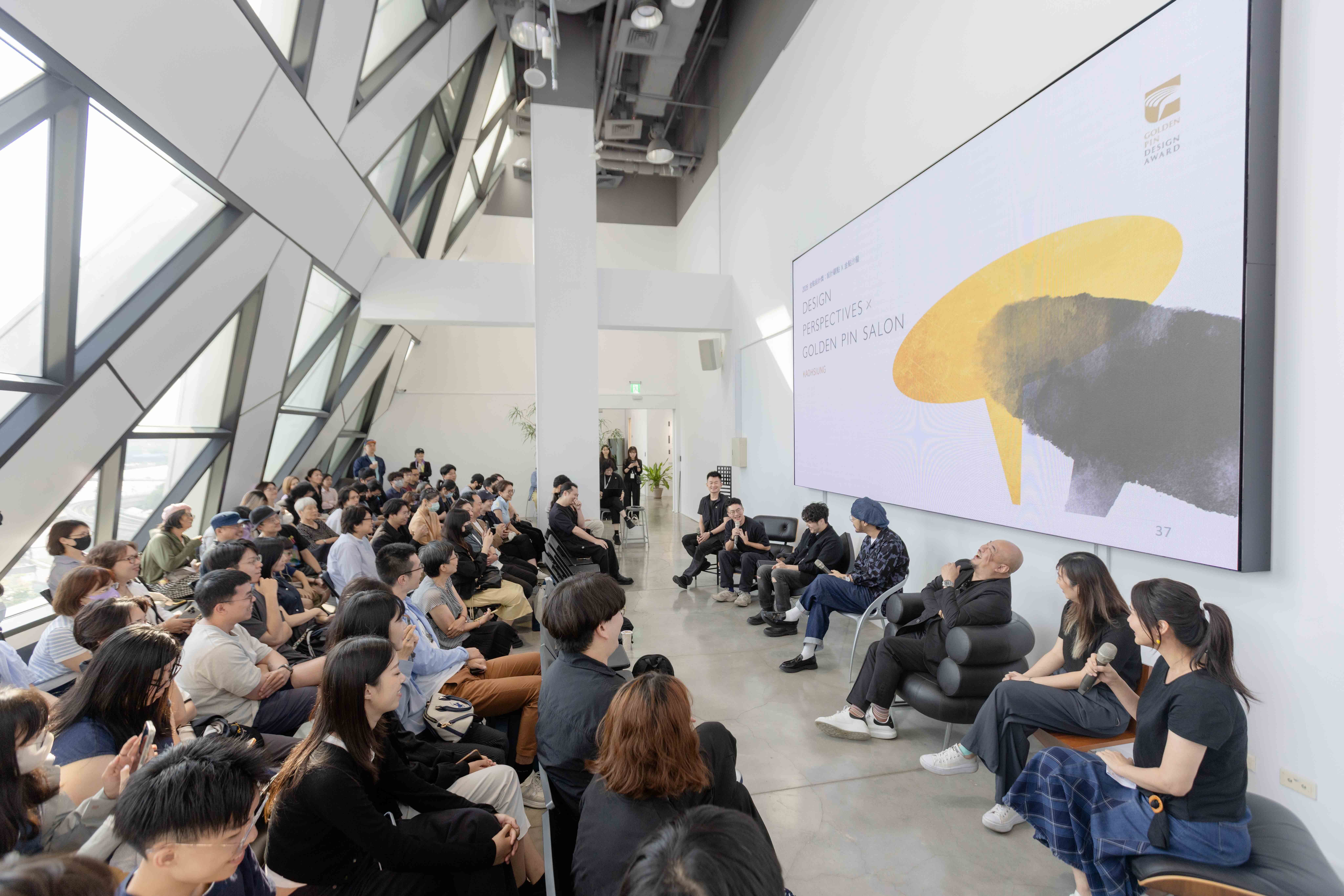
During the final panel discussion, the six speakers and jurors gathered to share their insights on the characteristics of Taiwanese design and the reflections gained from international exchanges. This shared passion for design and deep commitment to their own land brought a moving conclusion to this year’s salon.
With the successful conclusion of the Kaohsiung salon, the 2026 Golden Pin Salon Asia Tour has officially come to a close. We extend our heartfelt gratitude to all the partners who joined the dialogues and witnessed the value of design across every salon. We look forward to gathering again next year, bringing even more profound practices and inspiring stories to share.
The 2026 Golden Pin Design Award and Golden Pin Concept Design Award are now in their final countdown for submissions. The awards cover four major categories: Product Design, Communication Design, Spatial Design, and Integration Design. Winners will not only receive high honors but also gain access to diverse global resources, including international exhibitions, media exposure, and business matchmaking. The submission deadline for this year is June 15 (Monday) at 17:00 (Taipei Time / GMT+8). We sincerely invite designers and enterprises from all fields to seize this final opportunity to register.